
Plagiomnium cuspidatum
Plagiomnium cuspidatum
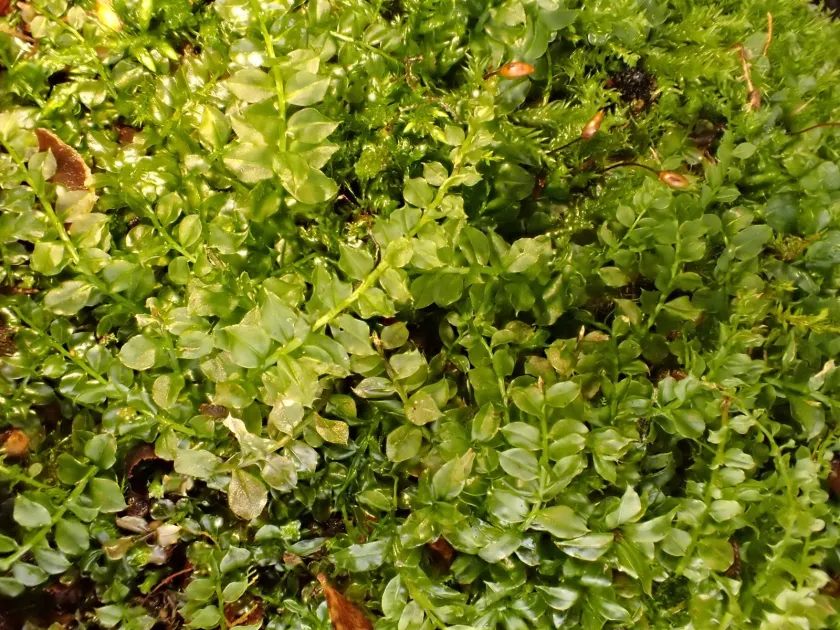
Description
Growing requirements
Plagiomnium cuspidatum, commonly known as the woodsy thyme-moss, belongs to the Mniaceae family. This bryophyte is widely distributed across the Northern Hemisphere, typically inhabiting damp deciduous forests where it grows on soil, decaying logs, and rock surfaces.
To successfully cultivate this moss, one must prioritize a shaded environment with high ambient humidity. Direct sunlight is detrimental to the species, as it rapidly causes desiccation and bleaching of the leaf blades, ultimately leading to the decline of the moss colony.
The preferred substrate should be slightly acidic to neutral, containing ample organic matter to retain moisture effectively. Ensuring a constant water supply is crucial, though it must be balanced to prevent waterlogging, which could suffocate the sensitive rhizoids.
In landscaping, this species is ideal for creating soft, green carpets in woodland gardens, terrariums, or around moisture-rich rock features. It serves an aesthetic function rather than a traditional agricultural crop purpose, contributing to soil moisture retention and ecosystem stability.
Maintenance involves routine misting with distilled or rainwater to avoid mineral buildup. Unlike vascular plants, this moss relies on atmospheric moisture and direct absorption, requiring no fertilizers and minimal human intervention once established in a suitable micro-climate.
Main diseases and pests
The primary threat to the vitality of Plagiomnium cuspidatum is environmental desiccation. If humidity levels drop significantly, the moss enters a period of dormancy, and prolonged exposure to dry air leads to cell death and colony disintegration.
Pathogenic fungi are a secondary risk, particularly in poorly ventilated areas with excessive moisture, where the lack of air circulation encourages the growth of molds that can rot the moss layer.
Invertebrates such as slugs and snails are frequent pests that can cause extensive physical damage by grazing on the moss, resulting in unsightly patches and slowed regeneration rates.
Environmental pollutants, including high concentrations of airborne nitrogen or heavy metals in watering sources, can inhibit the growth of the moss, as it lacks a protective cuticle and absorbs these substances directly from its surroundings.
Maintaining a clean, shaded, and consistently humid environment is the most effective management strategy to prevent disease outbreaks and pest infestation in moss plantations.