
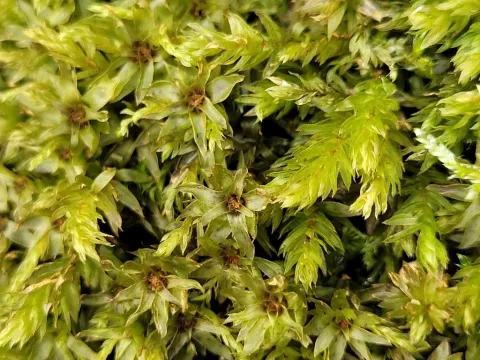
Mnium
Mnium
Mnium is a genus of mosses belonging to the Mniaceae family. These plants are widely distributed in forest ecosystems, where they thrive in moist, shaded environments, often found on soil, rocks, or decaying logs.
What the section contains


Mnium
Cultivation of Mnium requires specialized microclimate management, as these plants lack a vascular system for efficient water transport. They depend on high ambient humidity and direct absorption of moisture through their thin, green leaf-like structures.
The growing substrate must be acidic and rich in organic matter. A mixture of peat, forest litter, and decomposed bark provides the necessary structure to maintain moisture while preventing compaction, which is crucial for rootless plants.
Light management is a critical factor in the cultivation process. Mnium is a shade-loving species; exposure to direct sunlight leads to rapid desiccation, leaf tissue necrosis, and eventual plant death.
Temperature control is essential to ensure healthy growth. These mosses prefer cool, stable temperatures, typically found in shaded forest clearings. Avoiding overheating is paramount for maintaining the vitality of the moss colonies.
The primary threat to Mnium populations in a cultivated setting is moisture deficit. Without a consistent supply of water, the moss quickly loses its turgor pressure, leading to chlorosis and potential biomass loss.
Fungal pathogens represent a significant risk, particularly in high-humidity environments with poor ventilation. These pathogens can cause damping-off or patch diseases, which can spread rapidly through a dense colony.
Invertebrate pests, such as mites and small slugs, can cause extensive grazing damage to the delicate gametophytes, severely reducing the aesthetic and ecological value of the moss mat.
Chemical stress from poor-quality irrigation water, specifically water with high mineral content, causes salt buildup on the leaves. This prevents efficient gas exchange and photosynthetic activity, eventually poisoning the plants.
Competition from invasive vascular plant species or algae can smother Mnium colonies. These competitors often outcompete the moss for space and nutrients, requiring consistent weeding and maintenance of the environment.