
Hart's-tongue thyme moss
Plagiomnium undulatum
Description
Growing requirements
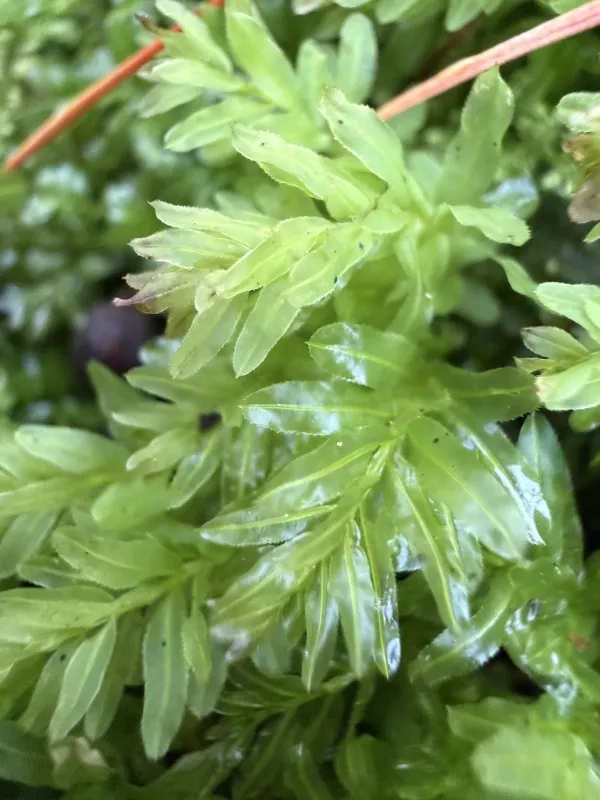
Plagiomnium undulatum, commonly known as hart's-tongue thyme moss, belongs to the Mniaceae family. This bryophyte is characterized by its distinct, tongue-shaped, wavy leaves that grow in circular rosettes, creating lush, carpet-like layers in temperate forest ecosystems across the Northern Hemisphere.
To cultivate this species successfully, one must replicate its natural woodland environment. It thrives in deeply shaded, moist, and cool habitats. Providing high humidity and a consistent water supply is essential for the plant to maintain its structural integrity and vibrant deep green appearance throughout the growing season.
The choice of substrate is a critical agrotechnical factor. The plant prefers rich, moisture-retentive, organic-based soils with a slightly acidic to neutral pH. Avoiding calcareous or highly mineralized soils is important, as these can hinder the development of the rhizoids and overall health of the moss colony.
Lighting management is fundamental for Plagiomnium undulatum. As a shade-adapted plant, it cannot withstand direct sunlight, which leads to rapid desiccation and pigment loss. Ideal placement is in the northern shade of garden structures or under the dense canopy of trees, which provides a stable microclimate.
The ornamental value of this species is high, making it a staple in terrarium hobbyism, Japanese-style moss gardens, and indoor green walls. Its ability to act as a living mulch helps in preserving soil moisture, benefiting other moisture-loving plants that grow in association with it.
Main diseases and pests
The primary threats to Plagiomnium undulatum include various fungal pathogens that thrive in conditions of excessive stagnant moisture and poor air circulation. These infections typically manifest as dark, mushy spots that can spread rapidly if not addressed by improving ventilation and reducing watering frequency.
Gastropods, particularly slugs and snails, represent a major biological threat. They can cause significant mechanical damage to the delicate leaf tissues, often leading to unsightly gaps in the moss coverage. Managing these pests often requires non-toxic manual removal or physical barriers surrounding the planting area.
Mold growth is a common issue when growing the plant in enclosed environments like greenhouses or terrariums. To mitigate this risk, it is recommended to ensure periodic fresh air exchange and avoid overcrowding of the moss colonies, which promotes better evaporation and prevents the accumulation of pathogens.
Water quality is a frequently overlooked aspect of moss care. The use of hard water, laden with calcium and magnesium, often leads to the accumulation of unsightly white mineral deposits on the leaf surface. This buildup not only ruins the aesthetic appeal but can also inhibit photosynthesis.
Good hygiene practices, such as removing fallen leaves or twigs from the colony, are essential. Decomposing organic matter on top of the moss creates an anaerobic environment that invites pests and diseases, effectively compromising the health of the entire patch if left unattended for long periods.