
Plagiomnium affine
Plagiomnium affine
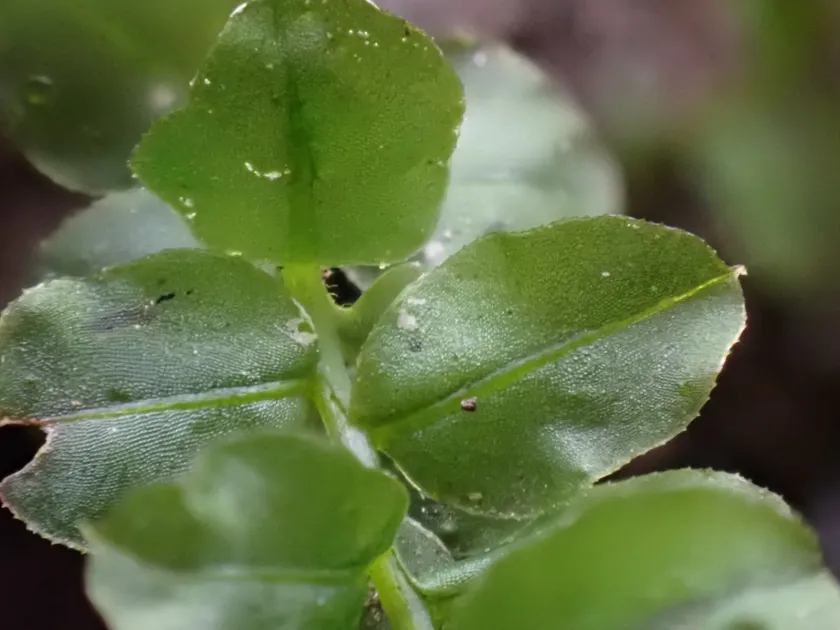
Description
Growing requirements
Plagiomnium affine belongs to the family Mniaceae. It is a perennial moss species primarily found in temperate forests, thriving in moist, shaded environments such as riverbanks, damp woodland floors, and areas with rich, well-draining organic soil.
Botanically, this plant forms loose, lush carpets of vibrant green foliage. Its leafy stems are erect or decumbent, and the leaves are distinctively elliptical with a serrated margin composed of elongated cells, which is a key morphological feature for identification.
Cultivation requirements focus heavily on environmental humidity and consistent moisture. Plagiomnium affine prefers substrates that are slightly acidic and rich in decomposed organic matter, mimicking the natural forest floor litter layer.
The species requires low light conditions and is highly sensitive to direct sunlight, which can quickly cause dehydration and tissue burning. In agricultural or horticultural settings, it is best managed in greenhouse environments with controlled irrigation or misting systems.
Economically, this moss is utilized in landscape architecture, particularly for creating shaded moss gardens, vivariums, and vertical green walls. Its rapid growth rate and year-round green coloration make it a preferred choice for specialized ornamental greenery.
Main diseases and pests
The primary threat to the health of the culture is desiccation, caused by sudden drops in atmospheric humidity or erratic watering. When the moisture level falls below a critical threshold, the moss loses its cellular turgor and enters a state of dormancy or decay.
Fungal pathogens and molds represent a significant risk, particularly in high-humidity environments with poor airflow. These pathogens often attack the lower sections of the stems, leading to the collapse of the moss carpet in patches.
Pests such as fungus gnats and soil mites can inhabit the moss layer, damaging the delicate rhizoids and hindering nutrient uptake. Management requires integrated pest control methods that avoid synthetic chemical compounds harmful to bryophytes.
Invasive species and common weeds can rapidly colonize moss beds, outcompeting Plagiomnium affine for space. Hand-weeding is a necessary and frequent agronomic practice to maintain the purity and aesthetic value of the cultivated area.
Waterlogging remains a critical concern, as stagnant water at the base of the colony promotes anaerobic conditions. This leads to root rot and severe nutrient deficiencies, requiring efficient drainage systems in all cultivation setups.