
Fauria
Fauria
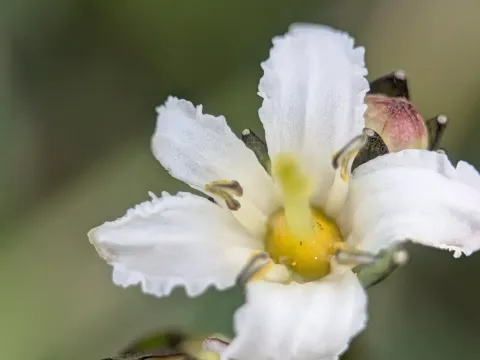
Fauria (Fauria crista-galli) is a unique perennial herbaceous plant belonging to the Menyanthaceae family. This genus is monotypic, meaning it comprises only one species, which makes it a rare find for botanical collections.
What the section contains

Fauria
The plant originates from the northern temperate zones, where it is found in diverse wetland habitats. Its range includes boggy woodlands, edges of slow-moving streams, and marshy meadows with high levels of soil saturation.
Fauria requires specific ecological conditions to thrive, primarily high soil moisture and acidic to neutral substrates. It is well-adapted to anaerobic conditions, often found in peat-heavy environments with limited oxygen levels.
Botanically, it is characterized by its distinctively shaped leaves and a complex rhizome system that anchors the plant in the mire. It demonstrates excellent cold hardiness, allowing it to survive sub-zero temperatures during winter dormancy.
In terms of agricultural or horticultural application, Fauria serves as an exceptional plant for water gardens and bio-retention basins. It requires minimal maintenance if placed in an environment that mimics its native wetland habitat.
The primary threat to Fauria populations is habitat loss due to land drainage and wetland reclamation. When its specific hydration requirements are not met, the plant experiences rapid physiological stress.
Pathogenic fungi can become a problem in stagnant water environments where water circulation is insufficient. High concentrations of dissolved organic matter can lead to root rot if the water becomes hypoxic.
Competition from aggressive opportunistic species, such as cattails or willow shrubs, can easily shade out Fauria. Regular site management is necessary to maintain the health of the population in controlled environments.
Extended drought periods pose a lethal risk. Unlike upland crops, Fauria lacks advanced mechanisms to survive severe moisture deficits, leading to irreversible wilting within a few days of substrate desiccation.
While relatively resistant to common agricultural pests, the plant can be sensitive to heavy metal accumulation or chemical runoff from nearby industrial areas, which can disrupt its delicate chemical balance and reduce vigor.