
Anamirta cocculus
Anamirta cocculus
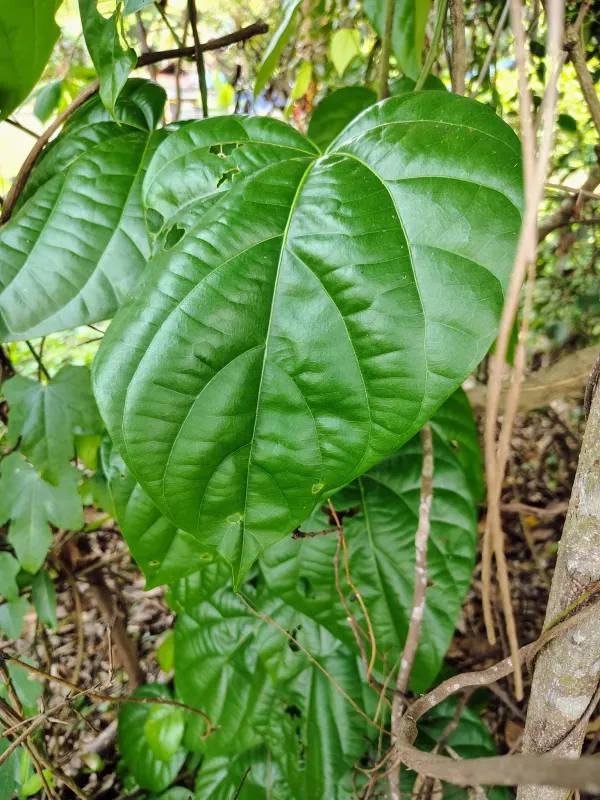
Description
Growing requirements
Anamirta cocculus is a large, woody climbing vine belonging to the Menispermaceae family. Known for its robust growth, it typically features a sturdy stem that can span many meters, supported by tree trunks and other structures in its natural habitat.
The plant originates from tropical regions of Southeast Asia, including India, Indonesia, and Malaysia. It thrives in humid forest ecosystems where temperatures remain consistently high throughout the year, making it unsuitable for cultivation in temperate zones without controlled environments.
Optimal growth requires well-draining, nutrient-rich soils that support deep root systems. As a climbing plant, Anamirta cocculus benefits from high light exposure at the top of the canopy but prefers shaded, moist conditions near the forest floor during its early developmental stages.
Agricultural management involves providing stable vertical supports and ensuring proper spacing to allow for airflow, which prevents the build-up of excess humidity around the stems. Irrigation is critical, particularly in the initial phases of plant development to establish a strong root network.
The plant is economically valued for the seeds contained in its fruit, which possess potent biological compounds such as picrotoxin. Due to these toxic properties, the handling and management of the plant require strict safety protocols during all cultivation and processing stages.
Main diseases and pests
Pathogenic fungi are a significant threat to Anamirta cocculus, especially in high-humidity environments where moisture persists on the foliage. These diseases can lead to tissue decay and significant loss of biomass if not managed through proper canopy thinning and ventilation.
Insects that specialize in feeding on toxic plants can cause substantial leaf loss. While the plant possesses natural chemical defenses, large infestations can weaken the vine and make it more susceptible to opportunistic secondary infections by bacteria or viruses.
Root rot is a major concern in waterlogged soils. To mitigate this risk, farmers ensure that the plantation site has adequate natural slope or artificial drainage systems to prevent water stagnation around the base of the vine, which is fatal for the plant in most cases.
Vector-borne diseases are another threat, where insects spread pathogens between plants. Regular monitoring of the plantation is essential to identify early signs of infestation and to isolate affected vines before the problem spreads across the entire cultivation area.
Integrated pest management strategies are often employed to maintain the health of the plants without compromising the purity of the harvested seeds. Balancing chemical defenses with biological control measures is key to sustaining a healthy population of this medicinal crop.
Harvesting
Harvesting Anamirta cocculus involves the manual collection of fruits once they reach full physiological maturity. This often requires skilled workers to navigate the vines in their forest or plantation setting to carefully select the ripe drupes without damaging the supporting trees.
Post-harvest processing begins with cleaning the fruit to remove botanical debris and foreign matter. The collected drupes are then sorted based on size and physical condition to ensure only the highest-quality raw material proceeds to the drying stage.
Drying is performed in shaded, airy structures to minimize exposure to direct sunlight, which could lead to the degradation of the active alkaloids. Consistent temperature control during the drying process is essential to maintain the efficacy of the chemical components within the seeds.
Once dried, the product is packaged in airtight, labeled containers that adhere to strict safety guidelines regarding toxic materials. These measures are taken to protect the storage facility personnel and ensure the stability of the crop for pharmaceutical application.
Final quality control involves moisture content testing and chemical assays to verify the concentration of active substances. This systematic approach ensures that the harvested material meets the precise requirements of the pharmaceutical industry before it is shipped for processing.