
Helonias orientalis
Helonias orientalis
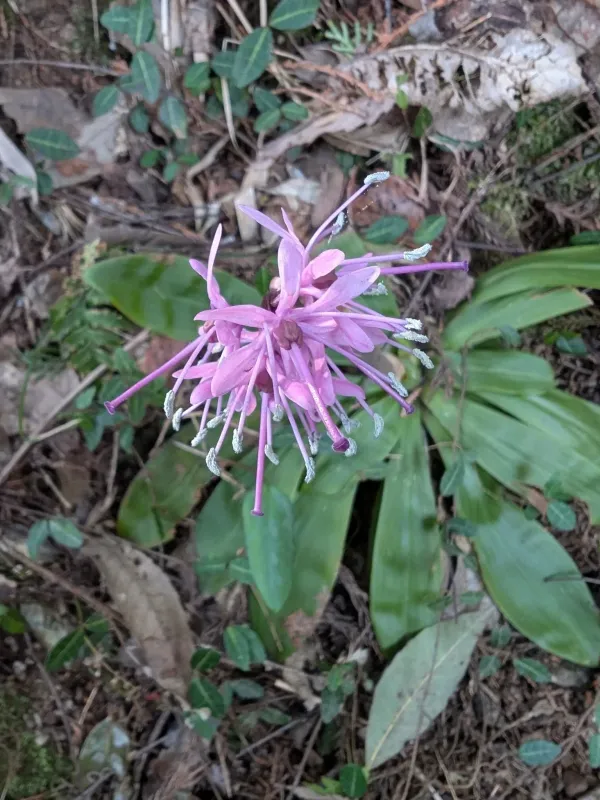
Description
Sowing dates
Helonias orientalis is typically propagated via division of the rhizome during the dormant season, which occurs in early spring or late autumn. This ensures the plant has enough energy to establish roots before extreme temperatures occur.
For seed propagation, sowing should be done in containers during late autumn to allow for natural cold stratification over winter. Seeds require exposure to cold temperatures to break dormancy effectively.
A well-drained but moisture-retentive substrate, such as a mix of peat and perlite, is essential for successful seed germination. Keep the container moist but not waterlogged throughout the cold period.
Germination can be erratic and slow, often taking several weeks or even months after the temperatures rise in spring. Patience and consistent moisture levels are key to successful seedling development.
Once seedlings reach a manageable size, they should be transplanted into individual pots to avoid competition and ensure each plant has adequate access to nutrients and space.
Growing requirements
This species belongs to the Melanthiaceae family and thrives in cool, moist, and shaded environments. It naturally prefers woodland soils that are acidic and rich in organic matter like leaf mold.
Soil pH is a critical factor for the healthy growth of Helonias orientalis. It performs best in acidic soils with a pH range of 5.0 to 6.0, as alkaline conditions often lead to nutrient deficiencies.
Light requirements are strict: the plant needs dappled shade. Direct sunlight, especially in the afternoon, can scorch the foliage and dry out the roots, which will quickly degrade the plant's health.
Water management is the most important aspect of maintenance. While the soil should remain moist at all times, standing water must be avoided to prevent rhizome rot, especially during winter.
Fertilization should be handled with caution, using dilute, balanced fertilizers designed for acid-loving plants. Avoid high-nitrogen chemical fertilizers, as they can lead to weak, succulent growth susceptible to pests.
Main diseases and pests
Root rot is the most significant threat, often caused by poor drainage or excessive watering when ambient temperatures are high. Symptoms include wilting and yellowing leaves followed by brown rhizomes.
Gastropods, particularly slugs and snails, are major pests that feed on the soft, lush foliage. Protective barriers like copper tape or eco-friendly bait should be used during the growing season.
Fungal leaf spot diseases can occur if air circulation is poor. Thinning out plants and ensuring they are not crowded is a standard preventative measure against these infections.
Nematodes are less common but can cause stunted growth. Using certified, clean planting material and maintaining soil hygiene are the most effective ways to mitigate this risk.
Regular inspection of the root zone and leaves during routine maintenance allows for early detection of potential issues, ensuring the longevity of the plant in the landscape.