
Swamp pink
Helonias bullata
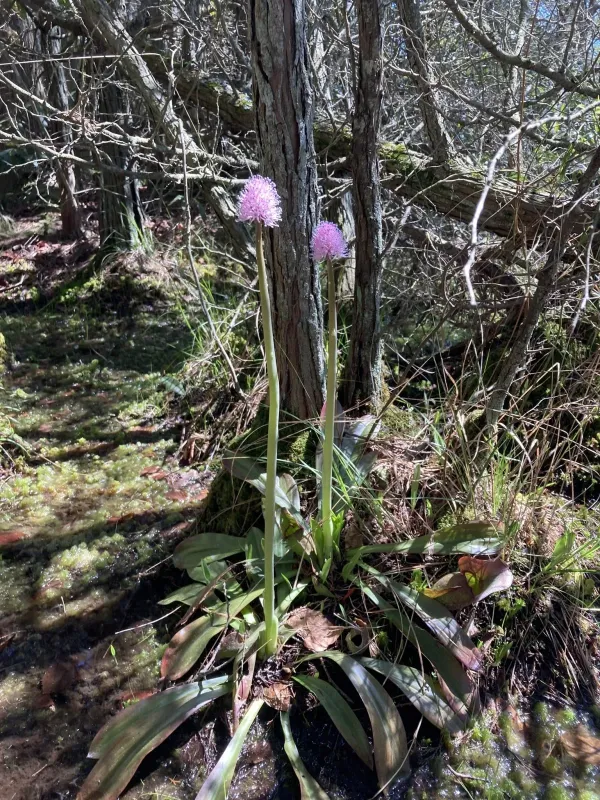
Description
Growing requirements
Swamp pink, botanically known as Helonias bullata, is a distinctive perennial plant within the Melanthiaceae family. It is a rare native species found in the eastern United States, typically inhabiting specific ecosystems such as forested wetlands, bogs, and stream floodplains.
The primary cultivation requirement for this species is a highly acidic soil medium. Gardeners should replicate natural bog conditions by providing a soil mix rich in organic matter, such as peat or pine bark, ensuring the pH remains low and stable throughout the growing season.
Botanically, the plant develops a basal rosette of evergreen, strap-shaped leaves. During early spring, it produces a stout, hollow flower stalk topped with a dense cluster of fragrant, star-shaped flowers that range from pink to deep lavender, which remain attractive for several weeks.
Agricultural management requires constant soil moisture. Unlike many garden ornamentals, Swamp pink cannot tolerate drought or drying out. It is essential to maintain a consistently damp root zone, while simultaneously ensuring the soil is not completely submerged or stagnant during colder dormancy periods.
Optimal light exposure for Helonias bullata is partial shade. It thrives in locations where it receives dappled sunlight through tree canopies, which protects the foliage from scorching and maintains the ambient humidity required for the plant’s health.
Main diseases and pests
The main threats to Helonias bullata in cultivation include fungal pathogens that exploit poor drainage or excessive humidity around the crown of the plant. Root rot is the most common cause of failure, often exacerbated by overwatering during the dormant winter months.
Pests are generally a secondary concern but can include gastropods such as slugs and snails. These creatures are attracted to the succulent foliage and can cause significant cosmetic damage, particularly to young, tender leaves emerging in the spring.
Maintaining proper hygiene within the garden bed is essential. Removing debris and dead leaf litter around the base of the plant reduces the risk of fungal infections and eliminates hiding spots for potential insect pests.
Nutrient management must be handled with caution, as the plant is sensitive to salt and alkaline buildup. Fertilizers should be used sparingly, and only those specifically formulated for acid-loving plants should be applied to avoid inducing leaf chlorosis.
Regular monitoring of the site’s hydrology is crucial. Any sudden shift in water levels or drainage quality should be addressed immediately to prevent stress, as weakened plants are significantly more susceptible to environmental diseases and pests.