
Triumfetta semitriloba
Triumfetta semitriloba Jacq.
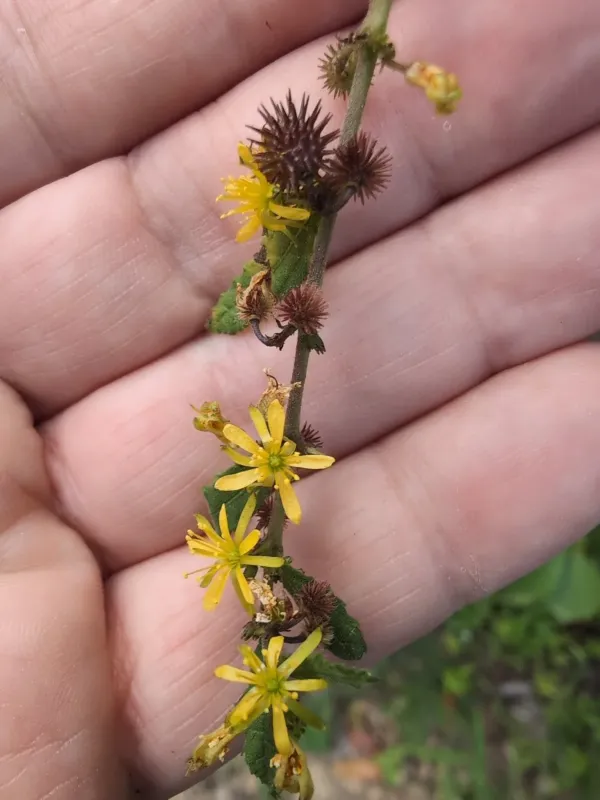
Description
Sowing dates
Triumfetta semitriloba is a tropical plant, and its sowing schedule is strictly dictated by the onset of the rainy season in its native distribution areas.
Seeds should be sown in well-prepared, loose soil to allow the primary taproot system to develop without obstacles during the early stages of life.
Direct seeding is recommended, as the plant is sensitive to disturbance, and transplanting often leads to significant stunting and poor fiber development.
Row spacing should be maintained at a distance that prevents overcrowding, ensuring that each individual plant receives ample sunlight for optimal growth.
Early maintenance involves thinning the seedlings to reach the ideal population density required to produce straight, long stems suitable for fiber extraction.
Growing requirements
As a member of the Malvaceae family, Triumfetta semitriloba thrives in fertile, well-draining soils and is particularly sensitive to waterlogged conditions.
The crop requires high temperatures, ideally between 25 and 30 degrees Celsius, and high humidity levels for vigorous vegetative growth of its stems.
Abundant sunlight is crucial for this plant; planting it in shaded areas will result in thin, brittle stems and a poor yield of usable fibrous material.
Soil management should focus on maintaining a neutral pH, as extreme alkalinity or acidity can severely affect nutrient uptake and overall plant vitality.
While the plant is relatively hardy, regular application of organic matter helps maintain soil structure and provides necessary nitrogen for rapid stem development.
Yield
The primary economic value of the plant lies in its long, durable bast fibers, which are extracted from the stem through traditional retting processes.
The total yield of green biomass depends heavily on soil fertility and consistent moisture supply throughout the peak of the vegetative growth season.
Beyond fiber production, the stems and foliage contain high cellulose content, making the crop a potential candidate for sustainable pulp and paper production.
Mechanical properties of the fiber make it a reliable, eco-friendly alternative to synthetic materials in the production of ropes, twine, and rough fabrics.
Sustainable harvesting techniques ensure that yield remains consistent over several cycles, provided that the soil nutrient balance is managed effectively.
Main diseases and pests
The plant is susceptible to various lepidopteran pests that feed on the foliage, potentially reducing the photosynthetic capacity needed for stem development.
Fungal infections, such as powdery mildew or leaf spots, can occur if the planting density is too high or if air circulation between plants is restricted.
Root-knot nematodes can present a significant threat to long-term cultivation, especially when the crop is grown repeatedly on the same plot of land.
Weed management is a critical agronomic requirement, as aggressive weeds compete with the plant for nutrients and can serve as hosts for various diseases.
Integrated pest management, including crop rotation and the use of resistant varieties, is the best approach to maintain plant health without heavy pesticides.
Harvesting
Harvesting should be timed precisely during the peak flowering stage to ensure the highest quality and maximum tensile strength of the harvested fibers.
Stems are cut as close to the ground as possible to maximize fiber length, which is a key metric for determining the market value of the raw material.
The harvested stems are immediately bundled and transported to retting tanks or ponds where the bark is separated from the inner woody core of the plant.
Once the fiber is successfully extracted, it is washed and hung to dry in a well-ventilated area to prevent discoloration and microbial degradation.
After thorough drying, the fibers are graded, cleaned of debris, and bundled for transport to manufacturing facilities for final textile processing.