
Abutilon megapotamicum
Abutilon megapotamicum (Spreng.) A. St.-Hil. & Naudin
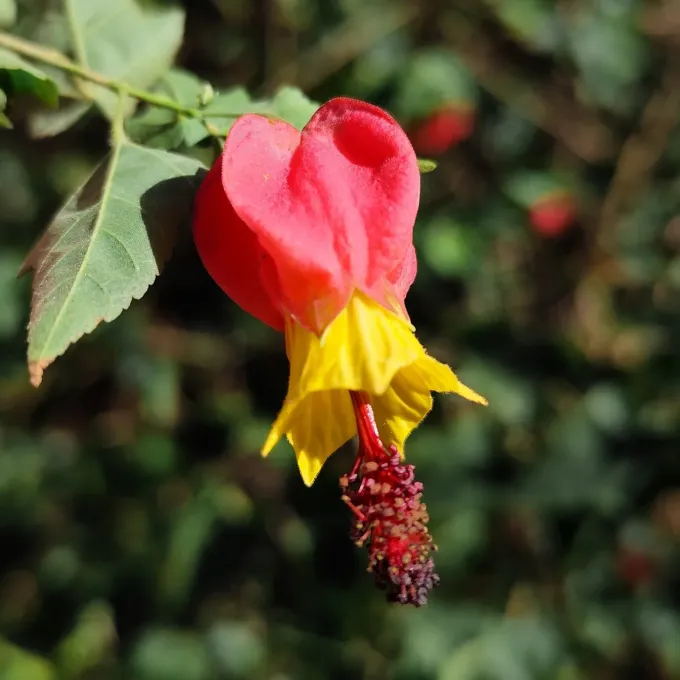
Description
Sowing dates
The propagation of Abutilon megapotamicum by seeds is a standard procedure conducted in early spring. The seeds are sown in a well-draining, sterile growing medium to ensure optimal germination rates.
Seed depth should not exceed 5-10 millimeters. Maintaining a consistent temperature of approximately 22-24 degrees Celsius is crucial for breaking dormancy and initiating the growth of the embryo.
High humidity levels are maintained using a cover or greenhouse frame until germination occurs. Once the first true leaves emerge, seedlings are gradually acclimated to ambient humidity levels to harden off.
Transplanting the seedlings into individual containers is recommended once they reach a height of 10-15 centimeters. Using a nutrient-rich potting mix supports the rapid development of the root system.
Cuttings represent an alternative method for clonal propagation. Semi-hardwood cuttings taken in late spring show high success rates and replicate the parent plant's characteristics perfectly.
Growing requirements
Abutilon megapotamicum is a member of the Malvaceae family, native to the regions of South America. It is recognized for its unique trailing habit, making it an excellent choice for hanging baskets.
The species prefers bright, indirect sunlight. While it can tolerate some morning sun, excessive heat and direct rays during the afternoon can scorch the foliage and reduce blooming intensity.
Soil requirements include a mixture that balances moisture retention with excellent drainage. A slightly acidic to neutral pH level provides the most favorable environment for nutrient uptake.
Temperature management is critical; the plant should be kept away from frost and freezing conditions. A cool winter dormancy period with temperatures around 12-15 degrees Celsius promotes better flowering in spring.
Fertilization regimes during the growing season involve regular applications of liquid fertilizers rich in phosphorus. This encourages continuous production of the characteristic bell-shaped flowers.
Main diseases and pests
Spider mites are the most common pests affecting this culture, especially in indoor environments with low humidity. Their activity causes leaf mottling and premature leaf drop if left untreated.
Whiteflies can infest the undersides of leaves, sucking sap and secreting honeydew. This often leads to the development of sooty mold, which impairs the plant's photosynthetic capacity.
Root rot, primarily caused by the overwatering of the substrate, is a severe threat. It often results from poor drainage or the use of heavy, waterlogged soils that suffocate the root system.
Powdery mildew may occur if air circulation is poor and humidity levels fluctuate significantly. Fungicidal treatments and improved ventilation are necessary to manage the spread of this fungal disease.
Regular monitoring of foliage and prompt removal of infested parts are essential for integrated pest management. Maintaining plant vigor through proper nutrition also increases natural resistance to environmental stress.