
Darwin's abutilon
Abutilon darwinii Hook. f.
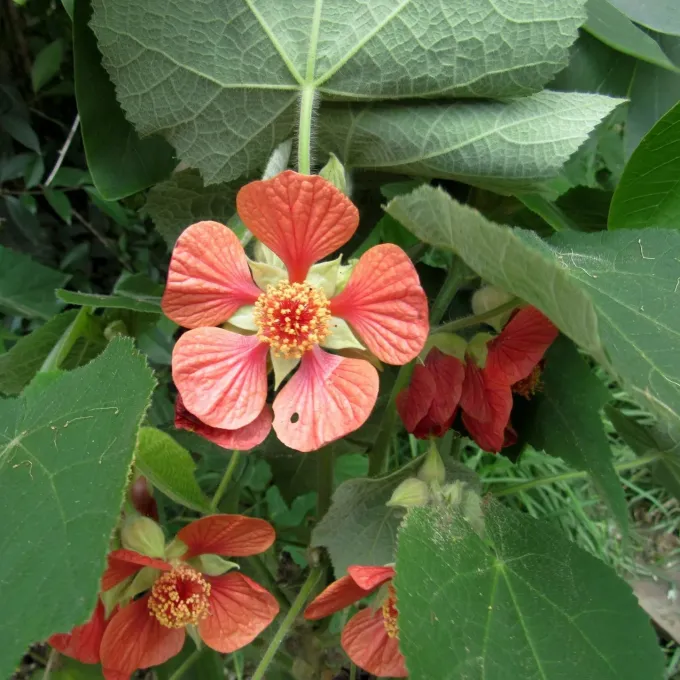
Description
Sowing dates
The sowing of Abutilon darwinii seeds is ideally performed in late winter or early spring. A temperature range of 22–25 degrees Celsius is critical for high germination rates.
Seeds should be soaked in growth stimulants prior to planting. Using a lightweight, sterilized potting mix ensures better aeration and prevents early-stage seedling diseases.
Seeds are placed at a depth of 0.5 to 1 centimeter and kept under a transparent cover to maintain consistent moisture levels. This microclimate is essential for steady development.
Once seedlings emerge, they require access to bright, indirect light to prevent etiolation. Maintaining a consistent temperature is crucial for the healthy development of young plants.
Seedlings should be transplanted into individual containers once they have developed at least two sets of true leaves. Gentle handling of the roots is necessary to avoid transplant shock.
Growing requirements
Darwin's Abutilon is a tropical shrub belonging to the Malvaceae family. It is recognized for its large, velvety, maple-like leaves and attractive orange-veined, bell-shaped flowers.
The plant thrives in bright, filtered light. While it loves the sun, intense direct midday rays can cause leaf scorch and dehydration. A south- or east-facing location is generally preferred.
Consistent soil moisture is vital during the growing season. The plant requires a well-draining, nutrient-rich potting medium to prevent root rot while ensuring enough moisture for rapid growth.
Optimal temperatures for active growth are between 20 and 25 degrees Celsius. During the winter, the plant prefers a cooler environment to enter a period of light dormancy.
Regular fertilization with a balanced, bloom-promoting formula is recommended during the peak growing months. Potassium-rich fertilizers help prolong the flowering period.
Main diseases and pests
The most common pests affecting this culture include spider mites, whiteflies, and aphids. These insects tend to thrive in low-humidity environments, necessitating regular monitoring.
Integrated pest management, including systemic insecticides and mechanical leaf cleaning, is essential to control infestations. Maintaining proper humidity helps prevent mite outbreaks.
Root rot is the primary disease risk, usually resulting from overwatering or poor drainage. Ensuring that the soil dries slightly between waterings is a key preventative measure.
Fungal leaf spots can occur when air circulation is poor or if the foliage remains wet for extended periods. Pruning the plant to allow better airflow reduces this risk significantly.
Nutrient deficiencies, specifically iron chlorosis, can cause yellowing of leaves. Regular soil testing and the application of micronutrients can ensure the plant maintains its deep green foliage color.