
Abutilon mollis
Abutilon mollis Sweet
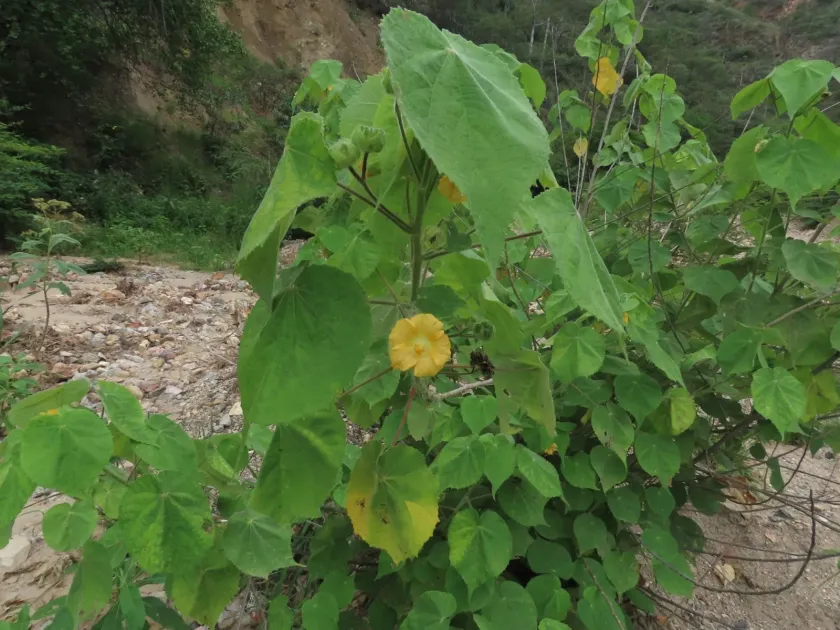
Description
Growing requirements
Abutilon mollis, a member of the Malvaceae family, is a vigorous evergreen shrub native to South America. It is well-regarded for its distinctive soft, pubescent foliage and long-lasting vegetative growth cycles in suitable environments.
Botanically, this species is defined by its soft leaves and woody, yet flexible stems. It requires sufficient space to develop its canopy, as the plant can reach significant dimensions if kept under optimal growth conditions throughout the year.
Environmental requirements prioritize bright, indirect light exposure. The temperature range for peak performance is between 20°C and 25°C. Exposure to sudden frost or extreme temperature drops can cause severe stress and potential damage to the plant tissue.
Soil quality must be high, emphasizing a well-draining substrate to prevent root asphyxiation. A mixture that retains moisture while allowing excess water to escape is ideal for sustaining the vigorous growth of the root system.
Agronomic management involves regular feeding with balanced fertilizers and consistent moisture levels. Pruning is essential to manage the plant structure, improve airflow through the foliage, and encourage denser growth patterns.
Main diseases and pests
Major pests affecting this crop include spider mites and whiteflies. These pests thrive in indoor or greenhouse settings where air circulation is restricted and humidity levels remain inconsistent during the growing season.
Fungal diseases, particularly root rot, represent a major threat when cultural practices fail to maintain soil aeration. Overwatering remains the primary cause of such infections, leading to rapid degradation of the plant's vascular system.
Effective pest management relies on a combination of biological controls and targeted chemical treatments. Integrated pest management (IPM) practices are recommended to minimize environmental impact while maintaining high crop health standards.
Sanitation is critical; removing dead or diseased leaves helps reduce the inoculum level of pathogens. Regular inspection of the undersides of leaves is a necessary routine for early detection of potential outbreaks.
Maintaining optimal environmental conditions is the best defense against threats. Balanced air circulation, correct irrigation schedules, and proper spacing are fundamental to preventing the establishment of pests and diseases.