
Abutilon x hybridum
Abutilon x hybridum hort. ex Voss
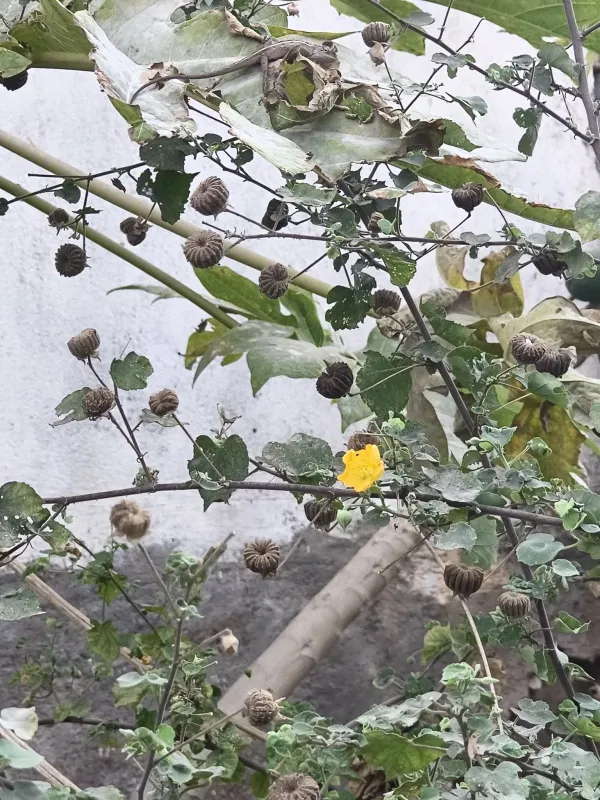
Description
Sowing dates
Propagation of Abutilon x hybridum is typically achieved through seeds or stem cuttings. For seed sowing, the optimal timeframe is late winter to early spring, specifically February through March, to ensure healthy development.
Seeds should be sown in a light, sterile potting medium at a depth of approximately 0.5 cm. Maintaining a consistent temperature between +22°C and +25°C is critical for successful germination.
Once the seedlings develop their first true leaves, they should be transplanted into individual containers to allow for root expansion and robust stem formation.
Stem cuttings are taken during the growing season using semi-hardwood material. These cuttings are placed in a rooting medium or water, provided with bright, indirect light until a strong root system is established.
As a member of the Malvaceae family, this hybrid is widely cultivated for its ornamental value and is prized for its prolific, bell-shaped flowers in various colors.
Growing requirements
Abutilon thrives in bright, filtered light. While it enjoys morning sun, it requires protection from intense midday heat to prevent leaf scorching and desiccation.
The ideal soil substrate for this culture should be nutrient-rich, well-draining, and have a pH level near neutral. Providing a high-quality drainage layer is essential for preventing root waterlogging.
The plant prefers stable temperatures between +20°C and +25°C during the active growth phase. A cooler winter dormancy period, between +12°C and +15°C, is beneficial for flowering initiation.
Consistent irrigation is required to maintain uniform soil moisture. Avoid both extreme dryness, which leads to bud drop, and overwatering, which puts the plant at risk of fungal pathogens.
Regular fertilization with high-potassium mineral blends every two weeks during the growing season significantly enhances flower production and improves overall plant vigor.
Main diseases and pests
The most prevalent pests affecting Abutilon x hybridum include spider mites, which thrive in low-humidity environments, and whiteflies, which often colonize the underside of leaves.
Mealybugs and scale insects may also infest the stems, requiring diligent monitoring and prompt application of appropriate systemic insecticides to manage the population.
Root rot is a common physiological threat caused by poor soil drainage or excessive irrigation, particularly during the winter months when metabolic activity is lower.
Powdery mildew may occur when air circulation is poor or when environmental conditions fluctuate rapidly, leading to characteristic white fungal patches on the foliage.
Implementing an integrated pest management approach, including regular plant inspections, sanitation, and correct watering techniques, is essential for maintaining a healthy crop.