
Abutilon vitifolium
Abutilon vitifolium (Cav.) C. Presl
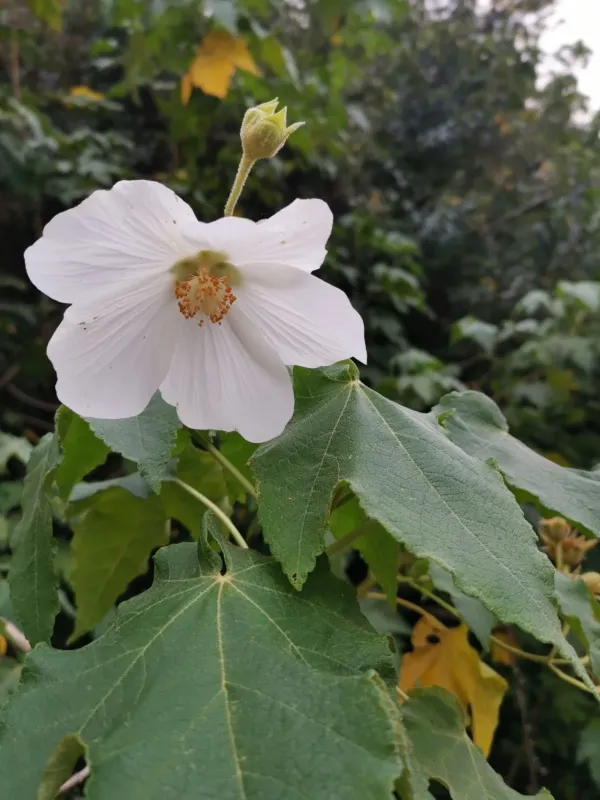
Description
Sowing dates
Propagation of Abutilon vitifolium is typically achieved through seed sowing or stem cuttings. Seeds are sown in early spring into a well-draining, nutrient-rich potting medium to ensure a healthy start.
Germination requires consistent temperatures around 20–22 degrees Celsius and steady soil moisture. Once seedlings develop their first true leaves, they should be pricked out into individual pots to encourage robust root development.
Vegetative propagation using semi-hardwood cuttings taken during the summer months is also effective. Cuttings are placed in a mixture of sand and peat and kept under cover to maintain the high humidity levels necessary for root formation.
Transplanting seedlings to their permanent outdoor position should only occur after the risk of frost has passed. They favor sites sheltered from harsh winds where the soil warms up efficiently in the spring.
When planting in the garden, allow sufficient spacing between plants to accommodate the shrub’s rapid growth and wide spread, typically keeping at least two meters between individual specimens.
Growing requirements
Abutilon vitifolium, a member of the Malvaceae family, is a vigorous shrub native to Chile. It is highly valued for its striking flowers and grape-like foliage, requiring specific environmental conditions to thrive.
This plant demands a sunny position with full exposure to light or very light shade to produce its best floral display. In low-light conditions, the stems tend to become leggy and the overall vigor of the shrub decreases significantly.
The ideal soil is fertile, humus-rich, and permeable. Excellent drainage is essential, as the plant is susceptible to root rot if waterlogged soil conditions persist for extended periods during the year.
Regular maintenance involves consistent watering during the growing season, especially during prolonged dry spells. Applying a layer of organic mulch around the base helps retain moisture and keeps the roots cool during peak summer heat.
In regions with harsh winters, Abutilon vitifolium is best grown as a container plant. This approach allows growers to move the shrub into a greenhouse or conservatory when temperatures threaten to drop below 5 degrees Celsius.
Main diseases and pests
The primary pests affecting this species in sheltered or indoor environments are spider mites and whiteflies. These insects thrive in dry, warm conditions and can quickly weaken the plant by feeding on leaf sap.
Preventative measures include maintaining adequate air circulation and ensuring humidity levels are not excessively low. If infestations occur, appropriate acaricides or systemic insecticides should be applied as directed.
Root rot remains the most serious threat caused by overwatering or poor drainage. Ensuring the container or garden bed has a proper drainage system is the most effective way to prevent fungal colonization of the root zone.
Powdery mildew may develop if there is insufficient airflow or if foliage remains damp for too long. Affected leaves should be pruned away, and the plant should be treated with a suitable fungicide to prevent further spread.
General plant health is the best defense against pests and diseases. By providing the correct balance of sunlight, water, and nutrients, the plant develops a natural resistance that mitigates the impact of potential threats.