
Abutilon ochsenii
Abutilon ochsenii (Phil.) Reiche
Description
Sowing dates
Abutilon ochsenii is typically propagated via seeds or semi-hardwood cuttings. The sowing process begins in late winter to ensure the plants are well-established before the high temperatures of summer.
Seeds require a constant temperature of approximately 21°C to germinate effectively. They should be sown in a well-draining, sterile peat-based mix to prevent damping-off diseases during the early stages.
When using cuttings, select healthy shoots with at least three nodes. Applying rooting hormone can significantly increase the success rate of propagation during the spring season.
Seedlings need to be transplanted into individual containers once they develop their first set of true leaves. This allows for controlled growth and easier management of nutrient intake.
Proper hardening-off procedures are essential for plants grown indoors before moving them to outdoor environments, usually spanning a period of ten days.
Growing requirements
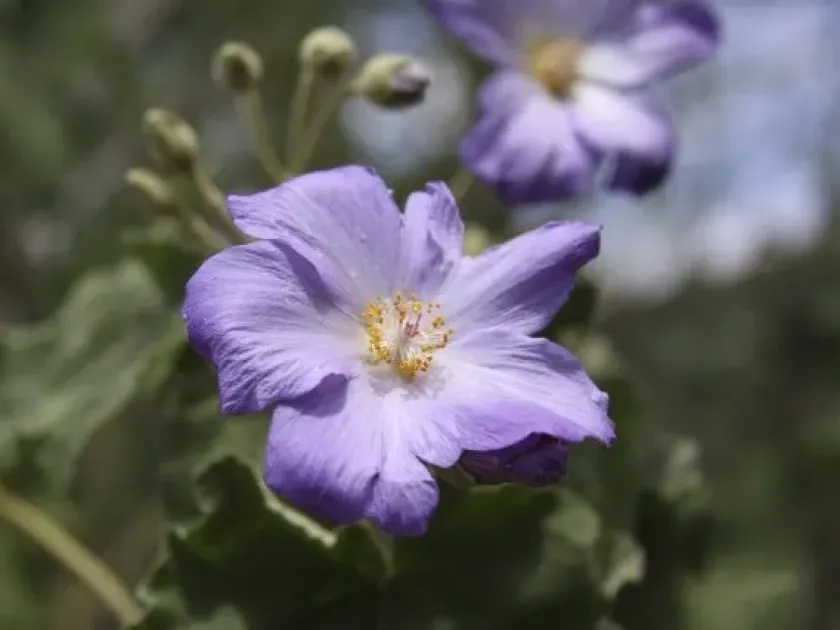
As a member of the Malvaceae family, Abutilon ochsenii is native to Chile. It is a distinctive shrub characterized by its specific foliage and flower structure adapted to its original habitat.
The crop requires fertile, well-draining soil to maintain vigorous growth. It thrives best in a pH range that is slightly acidic to neutral, allowing for optimal nutrient uptake.
Positioning the plant in a spot with partial shade to full sun is ideal, provided it is protected from intense, direct heat during the hottest part of the day.
Consistent irrigation is vital, ensuring the soil remains moist but never waterlogged. During the growing season, a balanced liquid fertilizer should be applied every two weeks.
Winter maintenance is a crucial part of its care, as the plant is not frost-tolerant. Bringing it into a greenhouse or a climate-controlled environment is necessary for survival.
Main diseases and pests
The most common pests affecting this plant are spider mites, whiteflies, and aphids. These insects tend to thrive in low-humidity environments, making vigilance essential.
Effective management includes the use of horticultural oils or systemic insecticides, paired with regular misting to increase surrounding air humidity.
Root rot is a major threat caused by overwatering or poor drainage. Once established, it can destroy the root system, making it difficult to recover the plant.
Fungal diseases like mildew can occur if the plant is grown in poorly ventilated areas. Keeping the foliage dry during irrigation helps mitigate this risk.
- Regular inspection of the leaf underside
- Maintaining proper air circulation
- Isolating new plants before introduction
- Monitoring soil moisture levels daily