
Zohary's hedge nettle
Stachys zoharyana
Description
Sowing dates
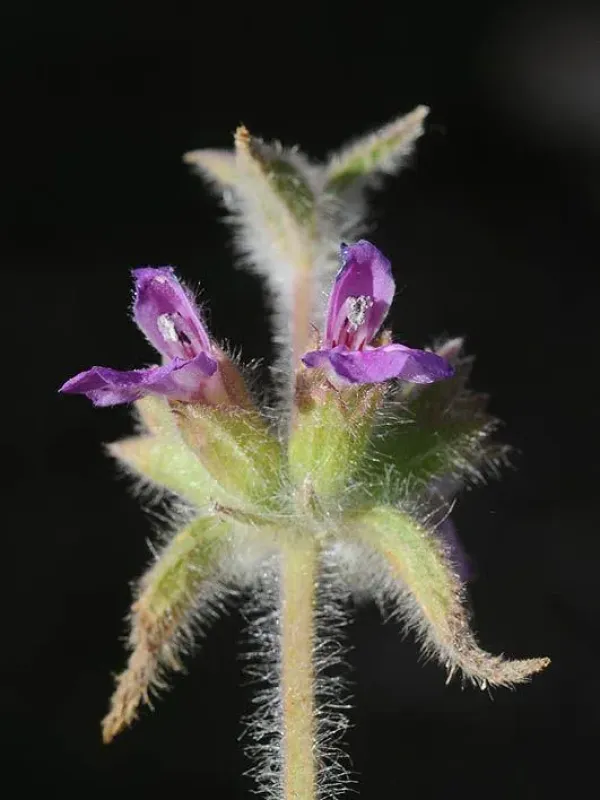
Zohary's hedge nettle (Stachys zoharyana) belongs to the Lamiaceae family. It is a perennial herbaceous plant native to the Eastern Mediterranean, particularly common in specific ecological zones of Israel, where it thrives in its natural habitat.
Sowing should take place in early spring once soil temperatures reach 10–12 degrees Celsius. The seeds require stratification to simulate natural environmental cues, which significantly improves germination rates and ensures a uniform stand establishment across the field.
For optimal growth, maintain row spacing of 45–60 centimeters. Seeds should be sown at a shallow depth of 1–2 centimeters, ensuring sufficient seed-to-soil contact through light rolling after planting to prevent them from being displaced by wind or water.
During the first year, the plant primarily develops a basal rosette. Growth is relatively slow, making weed control essential during this stage to prevent competition for light and nutrients. Regular inter-row cultivation is necessary to maintain clean fields.
Vegetative propagation via rhizome division is an effective alternative to seeding. This method allows for faster establishment of productive plots, particularly when starting new plantations, and ensures genetic consistency across the harvest.
Growing requirements
This crop prefers well-drained, light-textured soils with a neutral or slightly alkaline pH. Proper soil drainage is critical, as waterlogged conditions can rapidly lead to root rot and other fungal diseases, causing significant crop failure.
Zohary's hedge nettle is a light-demanding plant and must be grown in open, sunny areas. Sufficient solar exposure is essential for the biosynthesis of secondary metabolites, including essential oils, which define the plant's medicinal quality.
The plant demonstrates high tolerance to heat and drought, characteristic of its native Mediterranean climate. However, supplemental irrigation during the peak growing phase, particularly before flowering, can significantly boost total biomass production.
Fertilization should prioritize phosphorus and potassium, which strengthen the plant's structural integrity and improve its ability to withstand environmental stress. Nitrogen application should be managed carefully to avoid excessive succulent growth, which may decrease oil quality.
Consistent soil aeration via light hoeing helps maintain healthy rhizosphere activity. This practice ensures that roots have access to necessary oxygen, promoting strong plant development and helping to prevent the compaction of the upper soil layers.
Yield
Yield potential of Stachys zoharyana varies based on plantation age and agronomic management. Under intensive cultivation, producers can expect a dry matter yield of 15–25 decitonnes per hectare, with two harvests per season being standard practice.
Maximum productivity is typically achieved in the third and fourth years of cultivation. After this peak, the vitality of the rhizomes may decline, and older plantations should be replaced or rejuvenated to maintain profitability and crop health.
Harvest timing is a critical factor for quality, as the concentration of active compounds peaks at the onset of full flowering. Precise synchronization of harvest with this phenological stage is mandatory to meet quality standards for herbal products.
Stachys zoharyana represents a viable niche crop for pharmaceutical and cosmetic ingredient suppliers. Its chemical profile makes it a target for large-scale extraction of essential oils and other medicinal extracts, supporting a steady market demand.
Adding value through drying and processing on-farm can significantly increase the economic viability of the crop. Standardized drying protocols ensure that the chemical components remain stable throughout the supply chain until final use.
Main diseases and pests
Fungal infections such as powdery mildew and various leaf spots are the primary threats to Zohary's hedge nettle, especially in humid or poorly ventilated conditions. Strict adherence to proper plant spacing is the most effective preventative measure.
Insects like aphids and mites can damage young foliage, reducing the plant's photosynthetic capacity. Integrated pest management, focusing on biological controls and monitoring, is preferred over chemical applications, given the plant's medicinal end-use.
Nematode infestations can occur in soils repeatedly cropped with Lamiaceae species. Implementing a robust crop rotation plan, where Stachys zoharyana is rotated every few years, is the best strategy for maintaining soil health and preventing pathogen build-up.
Root rot caused by stagnant water remains a major physiological threat. Farmers should ensure their fields have appropriate slope and drainage systems to manage excess moisture, particularly during the transition from the wet winter season to spring growth.
- Implement strict crop rotation
- Monitor for aphid populations
- Ensure field ventilation
- Use certified, disease-free stock
- Practice early detection of wilt symptoms
Harvesting
The harvesting process involves cutting the plants at the height of their blooming phase to ensure maximum content of active ingredients. Mechanical mowers are generally used, set to a height of 10–15 centimeters above ground level to protect the plant crown.
Harvested material must be transferred to drying facilities immediately to prevent fermentation and the loss of volatile oils. Drying should occur at a controlled temperature of 40–45 degrees Celsius to preserve the essential chemical profile and natural color.
Stored raw material should be kept in cool, dry, and dark conditions using moisture-proof packaging. This approach prevents degradation from sunlight, humidity, and oxidation, extending the shelf-life of the herbs for up to two years post-harvest.
Autumn harvests must be balanced with the need for the plant to store energy for overwintering. Leaving sufficient growth ensures that the plants survive the cold period and begin their spring growth with necessary nutrient reserves intact.
Waste biomass can be composted to return nutrients back to the field. This contributes to sustainable soil management and minimizes the environmental footprint of the agricultural operation, aligning with modern ecological farming standards.