
Ziziphora clinopodioides
Ziziphora clinopodioides Lam.
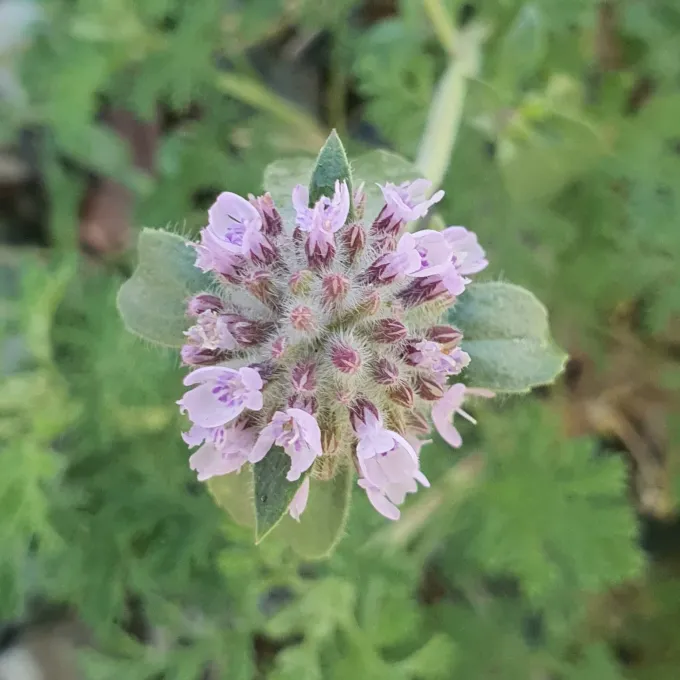
Description
Sowing dates
Sowing seeds of Ziziphora clinopodioides is typically done in the spring once the soil temperature reaches 8–10 degrees Celsius. Autumn sowing is also highly effective, as it provides natural stratification of seeds within the soil environment.
Since the seeds are very small, they should be sown at a depth of no more than 0.5–1 centimeter. A row sowing method with spacings of 45–60 centimeters is recommended to provide enough space for the plant to develop into a mature, healthy bush.
Germination is relatively slow and usually takes 2–3 weeks. During this period, it is crucial to maintain moderate soil moisture and diligently remove weeds, which can easily outcompete and suppress the young seedlings.
The optimal planting density varies but generally involves keeping 15–20 centimeters between plants in a row. With proper management, this species can maintain high productivity in the same location for 5 to 7 years.
As a perennial subshrub belonging to the Lamiaceae family, it can also be propagated through vegetative methods such as division or cuttings, which significantly speeds up the production process for commercial herbal supplies.
Growing requirements
Ziziphora clinopodioides is a classic alpine xerophyte that prefers open, well-lit sites. The plant is highly demanding of solar intensity, as direct sunlight is essential for the accumulation of essential oils within its leaves and flowers.
It is relatively undemanding regarding soil types but performs best in light, well-drained sandy or rocky soils. Poor drainage and standing water are detrimental to the root system and often lead to fungal pathogens.
The plant demonstrates remarkable drought and cold resistance, typical of species originating from high-altitude regions in the Caucasus and Central Asia. It easily handles wide fluctuations in temperature and periods of low rainfall.
Success in cultivation requires a calcium-rich substrate with a neutral to slightly alkaline pH level. Excessive application of nitrogenous fertilizers is not advised, as it encourages unwanted biomass at the expense of aromatic compound concentration.
The species adapts well to harsh mountainous environments, where significant diurnal temperature variations stimulate the active synthesis of terpenoids, which define the medicinal value and specific minty fragrance of the herb.
Yield
Yields of Ziziphora depend heavily on the age of the plantation and the specific growing conditions. By the second or third year of growth, the bushes reach peak vegetative mass, making them suitable for large-scale harvesting.
On average, one hectare of industrial plantations can produce between 1.5 and 3 tons of air-dried raw material. These figures can vary significantly based on irrigation frequency and the natural fertility of the soil.
The most important yield metric is not just the total mass, but the percentage of essential oil content. This typically ranges from 0.5 to 1.2 percent of the mass of dried leaves and inflorescences.
Yield improvement is achieved through timely application of phosphorus-potash fertilizers during the budding phase. This practice promotes better plant vigor and increases the concentration of beneficial secondary metabolites.
In professional farming, regular trimming is employed to stimulate branching. This technique allows for one or two harvests per season, which significantly increases the total annual output of raw material.
Main diseases and pests
Due to its high phytoncide activity, Ziziphora clinopodioides is rarely affected by common garden pests. The main threats to the crop include root rots, which primarily arise from poor soil aeration and waterlogging.
In conditions of high humidity, powdery mildew may develop on the foliage. To mitigate this risk, it is essential to avoid overcrowding the plants and to ensure adequate air circulation through regular thinning of the stand.
Pests like spider mites or aphids may occasionally appear during extreme drought conditions when the plant's overall immunity is lowered. Proactive water management is the best defense against these outbreaks.
Fungal diseases such as Fusarium wilt can affect weakened plants, particularly when grown on heavy or compacted soils. Using certified disease-free seeds and adhering to strict crop rotation minimizes these risks.
Biological pest control methods are strongly recommended to ensure the purity of the final product, as the herb is highly valued for its medicinal applications and the absence of harmful chemical residues.
Harvesting
Harvesting should occur during the period of mass flowering, as this is when the concentration of essential oils in the plant tissues reaches its absolute peak. Early morning during dry, sunny weather is the ideal time.
The aerial part of the plant is cut at a height of 5–10 centimeters above the soil surface. Using sharp, clean tools prevents damage to the crown of the plant and allows for quick regrowth in subsequent seasons.
Harvested material must be processed immediately to prevent heating and the loss of volatile aromatic compounds. Drying should be conducted in shaded, well-ventilated areas or in dryers at temperatures not exceeding 40 degrees Celsius.
Once dried, the raw material is cleaned to remove coarse, woody stems that lack therapeutic value. The final product consists of a mixture of dried leaves, flowers, and tender young shoot tips.
Store the finished product in dry, dark rooms using paper or fabric bags. When stored under proper conditions, Ziziphora retains its medicinal and aromatic qualities for up to two years.