
White beech
Gmelina leichardtii
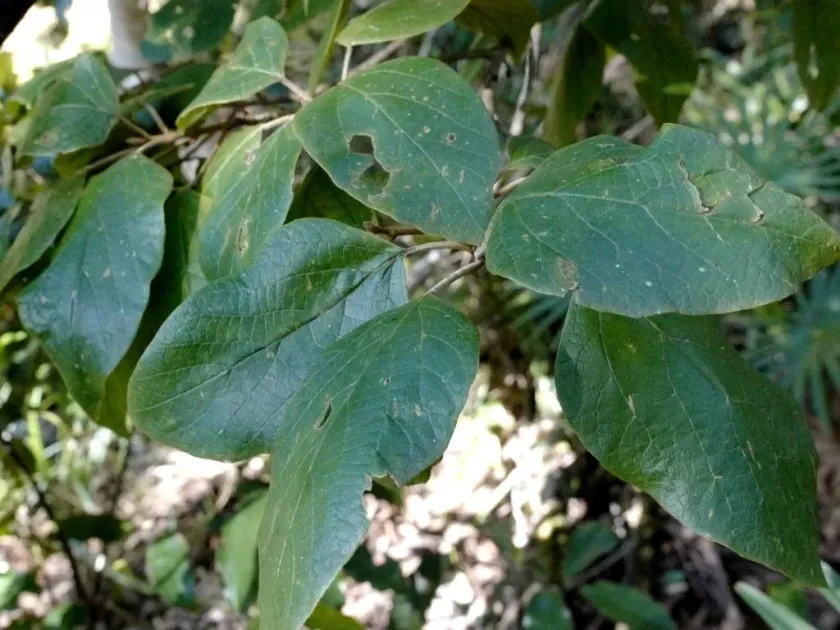
Description
Growing requirements
Gmelina leichhardtii, commonly known as White beech, is a distinguished large tree species belonging to the Lamiaceae family. It is native to the lush subtropical and tropical rainforests along the eastern coast of Australia, where it serves as a key canopy component.
Successful cultivation of this species requires deep, fertile, and well-drained soils. The tree performs exceptionally well in areas with high organic matter content, provided that the soil structure allows for proper aeration to prevent root rot in the plant's delicate root system.
Regarding climatic demands, White beech thrives in warm and humid environments. It is sensitive to severe frost, especially during its formative years, requiring a sheltered location until it reaches sufficient maturity to withstand minor temperature drops.
The tree shows a preference for high light intensity as it matures, which is crucial for achieving a straight, clear bole. In plantation settings, careful thinning practices are applied to ensure that each individual has enough space and light to maximize growth rates.
From a utilitarian perspective, the species is highly valued for its timber. White beech is renowned for its durability, workability, and resistance to decay, making it a preferred choice for carving, boat building, and high-end cabinetry manufacturing.
Main diseases and pests
The primary biological threats to Gmelina leichhardtii include various fungal pathogens that thrive in high-humidity conditions. If the canopy is too dense, moisture retention leads to leaf spot and twig dieback, requiring proactive pruning for airflow.
Insect pests, particularly borers and defoliating caterpillars, pose a significant risk to the tree's health. Infestations can affect the visual quality of the wood and the overall vigor of the tree if left untreated over multiple growing seasons.
Environmental stressors, such as prolonged drought periods, significantly decrease the tree's resistance to secondary infections. Implementing proper site selection and water management strategies is essential to mitigating these abiotic risks.
The management of plantation health involves regular phytosanitary inspections. Early detection of decay or pest presence is critical, as the timber's market value depends heavily on the absence of structural defects or galleries created by wood-boring insects.
Integrated pest management protocols, including the encouragement of natural predators and the removal of highly infested individuals, remain the gold standard for maintaining productive and sustainable White beech forests.