
Snapdragon skullcap
Scutellaria antirrhinoides
Description
Sowing dates
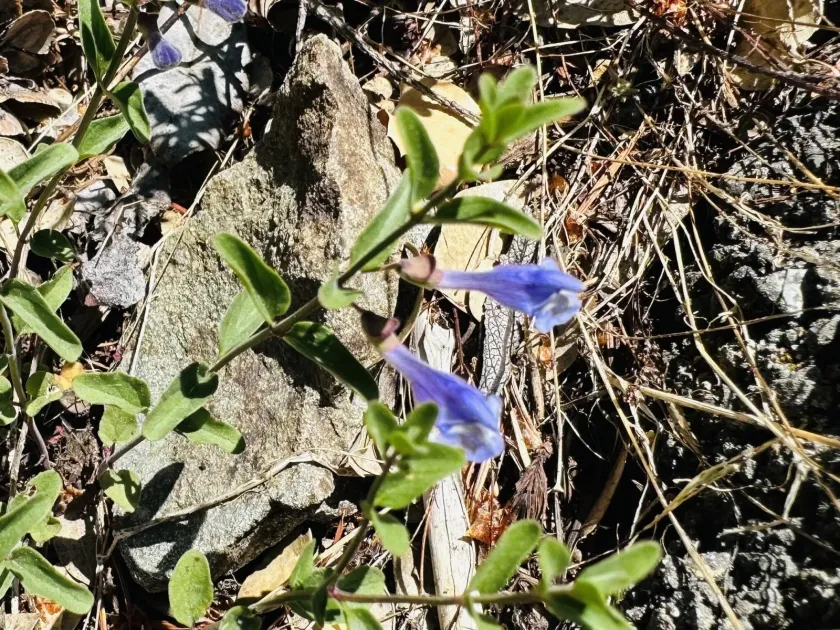
Snapdragon skullcap (Scutellaria antirrhinoides) is a perennial herbaceous plant belonging to the Lamiaceae family. It is recognized for its unique floral structure and its potential utility in specialized agricultural systems.
Sowing should take place in early spring after the soil has warmed up, ensuring optimal conditions for germination. Seed distribution should be shallow, as the small seeds require light exposure to trigger biological development.
Preparation of the seedbed involves fine-tuning the soil tilth to ensure uniform depth, which promotes even seedling emergence across the field. Proper spacing is crucial to minimize competition between individual plants.
For large-scale cultivation, direct drilling methods are preferred, provided that moisture levels are carefully managed. Establishing a proper plant density in the first season is essential for long-term viability.
Propagation can also be achieved through division, typically performed in the dormant season or early spring. This ensures that the genetic profile of the crop remains consistent across the field production.
Growing requirements
The plant originates from mountainous and rocky terrains in North America, necessitating well-drained, porous soils that mimic its natural habitat. It thrives in soils with low to moderate fertility levels.
Water management is the most critical factor in its agronomy. The crop cannot tolerate waterlogged conditions, as its root system is prone to hypoxia and fungal rot when exposed to excessive saturation.
Snapdragon skullcap prefers full sunlight exposure. While it exhibits high drought tolerance, supplemental irrigation during the initial establishment phase is recommended to build a robust root system.
The pH balance should ideally be neutral or slightly alkaline. High acidity levels often lead to nutrient lockout, which negatively impacts the vegetative vigor and overall yield of the plant.
Given its native environment, the plant is well-adapted to wide temperature fluctuations, making it a resilient choice for climates with distinct seasonal transitions and moderate precipitation.
Main diseases and pests
Root rot is the primary threat to this crop, usually triggered by improper irrigation practices or poor soil drainage. Maintaining moisture balance is the most effective prevention strategy.
Insects such as aphids and leaf-feeding larvae can cause damage during the vegetative stage. Integrated pest management (IPM) practices are recommended to minimize damage while maintaining crop quality.
Weed control is essential, particularly during the first year of growth when the plants are less vigorous. Mechanical cultivation between rows is standard practice to reduce weed pressure.
Fungal leaf diseases may occur in stagnant, humid air. Ensuring proper airflow through row spacing and plant density is vital for preventing the onset of powdery mildew and similar infections.
- Maintain excellent soil drainage
- Implement strict weed management programs
- Use monitoring for pest outbreaks
- Ensure proper spacing for airflow
- Avoid over-fertilization with nitrogen