
Ground ivy
Glechoma hederacea L.
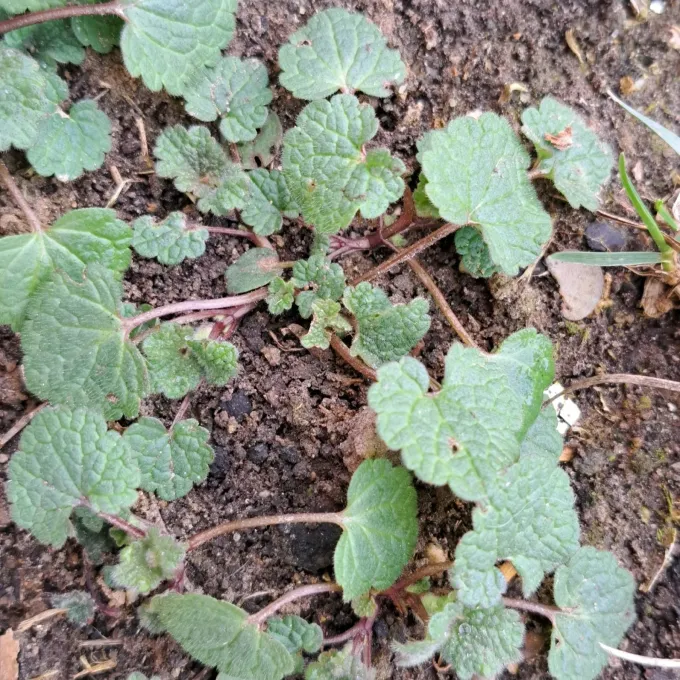
Description
Sowing dates
Ground ivy is a perennial herbaceous plant belonging to the Lamiaceae family. It is typically propagated via seeds sown in spring, once soil temperatures consistently reach 10-12 degrees Celsius.
Vegetative propagation is widely used for agricultural purposes, involving the use of cuttings or division of existing mats. This method is faster and ensures uniform growth across the area.
When sowing seeds, it is essential to prepare a fine seedbed. Seeds should be sown at a shallow depth of approximately 0.5 to 1 centimeter to ensure sufficient light exposure for germination.
Seedlings usually emerge within two to three weeks. Consistent moisture levels must be maintained during this phase to support the delicate root systems of the young plants.
For large-scale cultivation, optimizing plant density is key to preventing competition between individual plants while ensuring maximum soil coverage.
Growing requirements
The plant thrives in moist, fertile, and humus-rich soils with a neutral or slightly acidic pH. It adapts well to partial shade, which protects the leaves from scorching in high summer temperatures.
Ground ivy requires regular irrigation, particularly in the spring and early summer. Proper drainage is crucial to prevent the soil from becoming waterlogged, which can harm the root system.
Soil preparation should include the application of organic matter or balanced fertilizers to support vigorous growth. It is highly responsive to nitrogen applications during the vegetative phase.
This plant is notably hardy and can survive cold winters without additional protection, making it a reliable perennial in temperate climates.
In landscape management, ground ivy is often valued for its ability to stabilize soil on slopes and suppress weed growth in shaded areas.
Main diseases and pests
The primary pests affecting ground ivy include aphids and spider mites, which feed on the sap of tender leaves. Effective pest management includes scouting and applying biological control agents.
Powdery mildew is a common fungal threat, often triggered by high humidity and poor air circulation within the plant canopy. Improving spacing helps mitigate this risk.
Root rot can occur in heavy, poorly drained soils. Farmers must ensure proper soil preparation and maintenance of drainage systems to protect the crop health.
Weed management is critical during the establishment phase, as weeds can quickly overtake the slower-spreading young ground ivy plants.
Integrative pest management practices, including the use of botanical pesticides, are recommended to maintain the quality of the harvested medicinal material.
Harvesting
Harvesting of the aerial parts occurs during the peak flowering stage, usually between May and June, to ensure the highest concentration of volatile oils and flavonoids.
The plants are mown or cut at a height of approximately 5-7 centimeters, allowing for potential regrowth. Mechanical harvesting equipment can be used on larger commercial plots.
Post-harvest, the material should be dried in a well-ventilated, shaded environment. Maintaining temperatures below 40 degrees Celsius prevents the degradation of key active ingredients.
Once dried, the product is packaged and stored in moisture-proof containers to retain its potency for up to two years. Proper storage is vital to prevent fungal contamination.
Ground ivy finds extensive use as a medicinal herb, a culinary ingredient in some traditional recipes, and as an effective ornamental ground cover.