
Amasonia campestris
Amasonia campestris
Description
Growing requirements
Amasonia campestris is a herbaceous plant belonging to the Lamiaceae family. It is native to the tropical regions of South America, where it thrives in humid environments characterized by warm temperatures and dappled sunlight beneath the forest canopy.
The crop requires a highly specific microclimate, typically maintained within a temperature range of 20°C to 28°C. Being sensitive to cold, it cannot survive freezing temperatures and must be kept in controlled indoor settings or greenhouses in non-tropical zones.
Regarding soil requirements, the plant necessitates a well-draining, nutrient-rich substrate. High organic content helps retain essential moisture while preventing waterlogging, which is a common cause of failure for this species due to its susceptible root system.
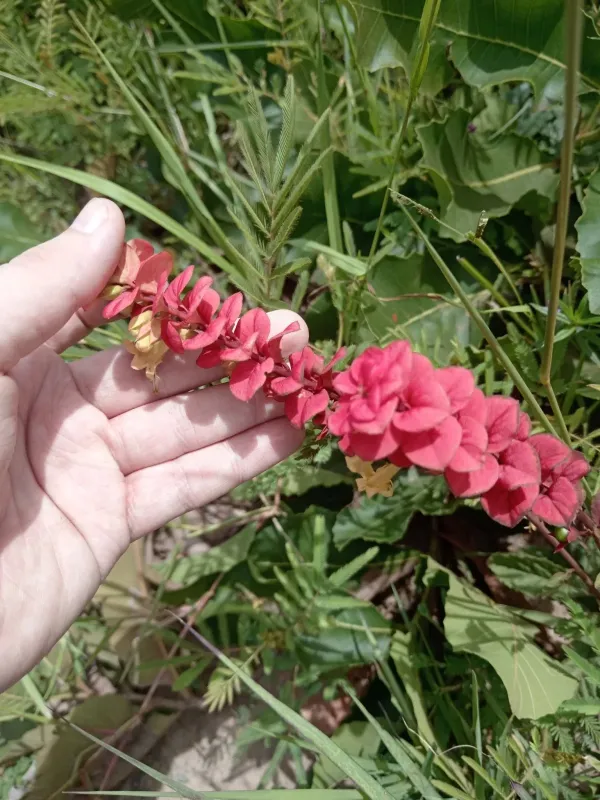
Lighting conditions are crucial for the development of its signature colorful bracts. While it appreciates bright light, it must be shielded from harsh direct sunlight, which can scorch the foliage and reduce the overall aesthetic value of the plant.
Proper agronomic care involves balanced fertilization during the growing season and careful monitoring of water quality. Using distilled or filtered water is recommended to avoid chemical buildup in the substrate, which can interfere with nutrient uptake.
Main diseases and pests
The primary pests affecting Amasonia campestris are spider mites and mealybugs, which thrive in low-humidity indoor environments. Effective management involves maintaining high ambient humidity levels and utilizing horticultural soaps or systemic pesticides when necessary.
Fungal diseases, particularly those related to root rot and leaf spots, represent a significant threat. These are often triggered by overwatering or inadequate air circulation, highlighting the need for efficient ventilation systems within the cultivation area.