
Curculigo orchioides
Curculigo orchioides
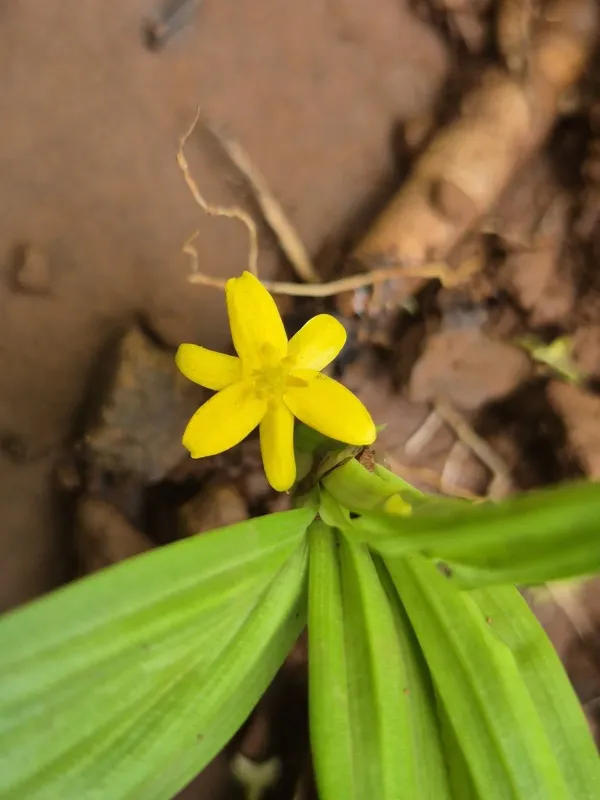
Description
Sowing dates
Curculigo orchioides is primarily propagated through the division of rhizomes, which is the most reliable method for ensuring the health of new plants.
The ideal time for planting is the beginning of the monsoon or rainy season when soil moisture levels are conducive to rapid root establishment.
Seed propagation is also possible, though it requires fresh seeds sown immediately after harvest to ensure high germination rates before viability declines.
Seeds should be sown in a light, porous substrate and kept at a temperature of approximately 22–25 degrees Celsius for optimal germination.
Care must be taken to plant seeds at a shallow depth, usually not exceeding 1 to 2 centimeters, to facilitate easy sprout emergence.
Growing requirements
Belonging to the Hypoxidaceae family, this plant is native to tropical and subtropical regions of Asia, specifically thriving in humid forest floors.
The crop requires fertile, well-drained sandy or loamy soils with a high content of organic matter and a slightly acidic to neutral pH balance.
As a shade-loving species, it performs best in environments that provide protection from direct, intense sunlight throughout the hottest parts of the day.
Temperature management is critical; the plant thrives between 20 and 30 degrees Celsius and is highly sensitive to frost or prolonged cold exposure.
Adequate air humidity and consistent, moderate moisture are essential, but waterlogging must be strictly avoided to prevent root system collapse.
Yield
The primary economic output of this culture is its fleshy rhizome, which is highly valued for its medicinal properties and bioactive compounds.
Harvesting is generally recommended during the second or third year of growth to ensure that rhizomes have attained sufficient size and active ingredient content.
Strategic application of organic fertilizers and proper spacing significantly enhance yield, allowing for more robust and healthy rhizome development.
Proper management of plantation density can lead to a more uniform harvest, simplifying post-harvest handling and increasing overall crop value.
After excavation, the rhizomes must be cleaned, dried, and processed under controlled conditions to maintain the stability of their medicinal compounds.
Main diseases and pests
The most common threat to this culture is root rot, which is almost always a result of poor soil drainage or over-irrigation during the growing season.
Fungal infections of the leaves can occur in stagnant, overly humid environments, leading to unsightly blemishes and potential damage to photosynthetic area.
Soil-borne pests and larvae can penetrate the rhizomes, leading to secondary infections and severe degradation of the medicinal quality of the crop.
Preventive measures include crop rotation, maintaining proper soil aeration, and ensuring that planting sites are free from stagnant water accumulation.
- Regular inspection of the root system for early signs of decay.
- Maintenance of proper soil structure to prevent compaction.
- Use of disease-free planting material for every new cycle.
Harvesting
Harvesting is performed manually to preserve the structural integrity of the rhizomes and minimize any potential physical damage to the plant material.
The best time to harvest is during the dormant phase, after the foliage has naturally senesced, which indicates peak development of the underground organs.
Once harvested, the rhizomes should be sorted immediately to separate high-quality specimens from any damaged or diseased parts of the crop.
The transport of fresh rhizomes to processing facilities should be done carefully to avoid heat buildup, which can negatively affect the chemical composition.
Final processing involves washing to remove soil residues and thorough drying in well-ventilated areas to ensure long-term shelf stability and quality.