
Curculigo pilosa
Curculigo pilosa
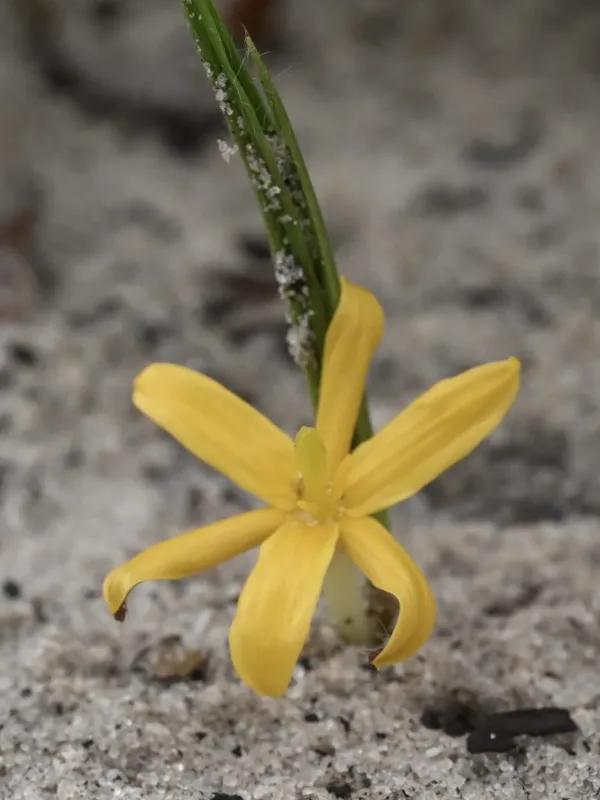
Description
Sowing dates
Curculigo pilosa is a perennial herbaceous plant belonging to the Hypoxidaceae family. In its natural habitat, it propagates primarily through seeds or via the division of rhizomes at the start of the rainy season.
For industrial cultivation, seeds should be sown in a well-drained substrate rich in organic matter. The optimal sowing time corresponds with the arrival of warm weather, ensuring soil temperatures stay consistently above 22 degrees Celsius.
When using vegetative propagation, rhizome segments are separated from mature mother plants and planted at a depth of 5–7 centimeters. Ensuring adequate spacing is essential to allow for proper root development.
Seed germination is a slow process requiring consistent soil moisture without waterlogging. The use of plant growth regulators can improve germination rates and enhance the overall vigor of the seedlings.
In greenhouse settings, starting plants in trays before transplanting them into open fields is a common practice that helps maintain optimal growth conditions during the early stages.
Growing requirements
This species is a heat-loving tropical plant that is highly sensitive to frost and sudden temperature drops. An ideal temperature range for active growth is between 25 and 30 degrees Celsius.
The plant thrives in loose, fertile soils with a neutral or slightly acidic pH level. High-quality drainage is a critical requirement, as water stagnation in the root zone leads to rapid decay.
Curculigo pilosa performs best under filtered sunlight or light shade, mimicking the environment of the forest understory. Direct, intense midday sunlight may scorch the leaves and stunt growth.
Regular but controlled irrigation is necessary, particularly during the peak growth season. It is essential to allow the top layer of soil to dry out slightly between waterings to ensure adequate aeration.
The crop responds well to the application of organic fertilizers, which provide the necessary macro- and micronutrients for the development of robust, high-quality storage organs.
Yield
The yield of Curculigo pilosa is determined by the biomass of the rhizomes, which are the main commercial product. Harvesting requires waiting until the plant has fully developed its storage organs.
The period of physiological maturity, where the concentration of active pharmaceutical compounds is at its peak, typically occurs 2 to 3 years after planting. Early harvesting is generally not advised.
Productivity metrics are heavily influenced by planting density and the overall agronomic strategy. With proper management, the crop can yield significant quantities of dry rhizome mass per hectare.
Ongoing soil maintenance, including weeding and aeration, stimulates the growth of the root system, which is a direct factor in increasing the final harvest yield.
Given the plant's unique biochemical profile, there is a stable demand for its raw materials in the pharmaceutical industry, contributing to its overall economic viability as a crop.
Main diseases and pests
Root rot caused by fungal infections is the most significant threat to the crop, especially when the soil is overly saturated. Strict management of irrigation cycles is the primary preventive measure.
High air humidity can promote foliar diseases, manifesting as spots or mildew on the leaves. Proper plant spacing is essential to ensure adequate airflow and reduce the incidence of these issues.
Soil-dwelling nematodes can cause damage to the rhizomes, reducing harvest quality. Implementing strict phytosanitary measures and soil testing before planting is highly recommended.
Leaf-eating insects can attack young foliage during the growth phase. If the infestation is severe, the application of biological insecticides is necessary to preserve the plant's photosynthetic capacity.
A proactive approach to crop protection, focusing on monitoring and maintaining soil health, is vital to prevent the buildup of pathogens within the growing area.
Harvesting
The harvest period begins during the plant's dormancy phase when the foliage starts to yellow or wither. This signifies that nutrient translocation to the rhizomes is complete.
Rhizomes are carefully excavated, either manually or using specialized machinery, to prevent physical damage that could serve as entry points for pathogens and rot.
Once harvested, the roots are cleaned of soil, washed with clean water, and sorted based on size and quality standards to ensure marketability.
Drying is performed in controlled environments with adequate ventilation, which helps stabilize the active compounds and prevents mold growth during storage.
The final dried product should be kept in a cool, dry place away from direct sunlight to preserve its biochemical integrity for pharmaceutical use.