
Curculigo seychellensis
Curculigo seychellensis
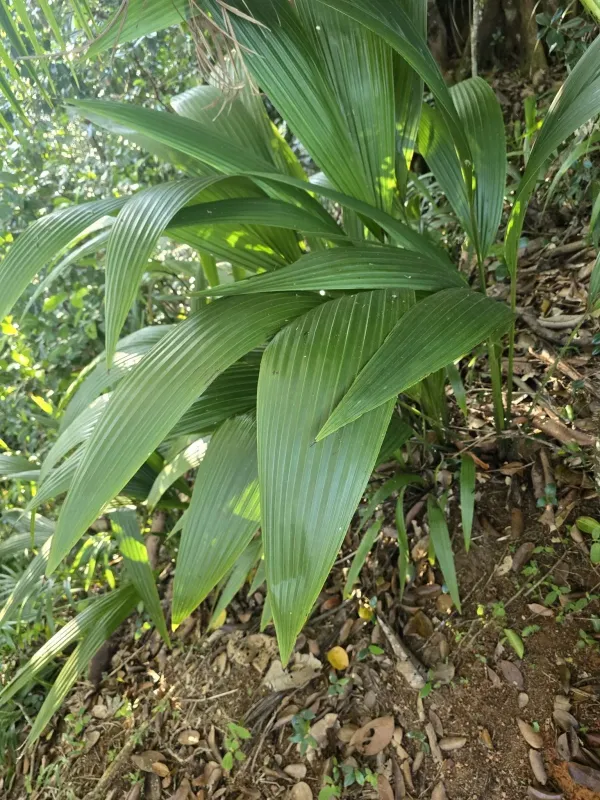
Description
Sowing dates
The propagation of Curculigo seychellensis in managed environments is primarily achieved through vegetative division of the rhizomes during the dormancy phase.
Seed propagation is notoriously difficult due to the specific germination triggers that mimic the natural humidity and heat cycles of the Seychelles.
The ideal planting window is the onset of the wet season, ensuring soil temperatures are maintained between +22 and +25 degrees Celsius for optimal growth.
When using seeds, maintaining high moisture levels in the substrate is essential, as the seeds lose viability rapidly if allowed to desiccate.
Pre-planting treatments typically involve applying antifungal agents to the rhizomes to prevent decay caused by the highly humid propagation environment.
Growing requirements
Curculigo seychellensis belongs to the Hypoxidaceae family and is native to habitats characterised by dense, humid tropical forest undergrowth.
The plant requires filtered light conditions, as direct solar exposure frequently results in severe scorch marks on the foliage.
Successful cultivation demands a light, humus-rich soil composition that provides excellent drainage to avoid waterlogging the roots.
Temperature stability is vital; the plant does not tolerate fluctuations, and levels must not fall below +18 degrees Celsius at any time.
To thrive, the plant requires consistent ambient humidity levels of 70 to 80 percent, which often necessitates the use of humidification systems.
Main diseases and pests
Fungal infections pose the most significant threat to the health of the plant, especially when irrigation cycles are not strictly controlled.
Root rot is a pervasive issue that can lead to rapid decline if the growing medium loses its structural integrity or if drainage is obstructed.
In indoor or greenhouse settings, spider mites and scale insects represent the most common pests that can compromise the plant's vitality.
Integrated pest management strategies are recommended, utilizing systematic insecticides that do not damage the plant's delicate tissues.
Preventative maintenance includes regular inspection of the leaf underside and ensuring adequate airflow to minimize the risk of pathogen colonization.