
Pediastrum
Pediastrum
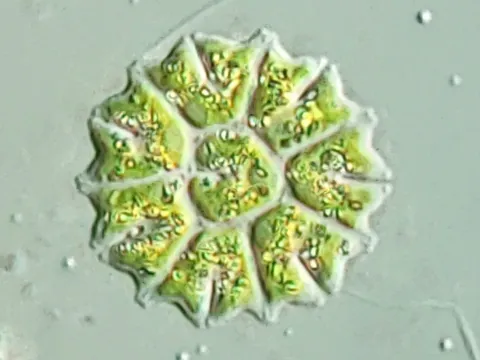
Pediastrum is a genus of freshwater green algae belonging to the family Hydrodictyaceae. These microscopic organisms are known for forming flat, star-shaped or polygonal colonies. Unlike traditional land crops, Pediastrum is studied within the field of hydrobiology and aquatic resource management.
What the section contains


Pediastrum
The organism is widely distributed globally, primarily inhabiting stagnant or slowly flowing freshwater bodies such as ponds, lakes, and wetlands. They thrive in environments that provide sufficient light, optimal temperatures, and a consistent supply of dissolved nutrients like nitrogen and phosphorus.
Botanical characteristics of Pediastrum include a unique coenobial structure where cells are organized in a single layer. The peripheral cells of the colony often possess distinct appendages, which facilitate buoyancy and help the organism maintain its position within the photic zone for photosynthesis.
In terms of economic utility, Pediastrum serves as a critical food source within the aquatic food web. It acts as primary producer for zooplankton, which are essential for feeding fry and fingerlings in aquaculture facilities. Maintaining a stable population is vital for pond productivity.
Agrotechnical practices for Pediastrum cultivation involve managing water quality in artificial reservoirs or bioreactors. This includes monitoring the nutrient balance and light intensity to ensure maximal biomass production. Stable conditions prevent the dominance of invasive or harmful algae species.
The main threats to Pediastrum populations include water pollution caused by agricultural runoff containing pesticides and heavy metals. Such contamination can inhibit photosynthesis and lead to the degradation of the colony structure, impacting the overall stability of the aquatic environment.
Biological threats include infections by specific viruses or fungal parasites that can decimate algal colonies. Furthermore, over-grazing by large populations of zooplankton, or competition for nutrients with cyanobacteria during algal blooms, can severely reduce the density of Pediastrum in natural or controlled ponds.