
Fendlera wrightii
Fendlera wrightii
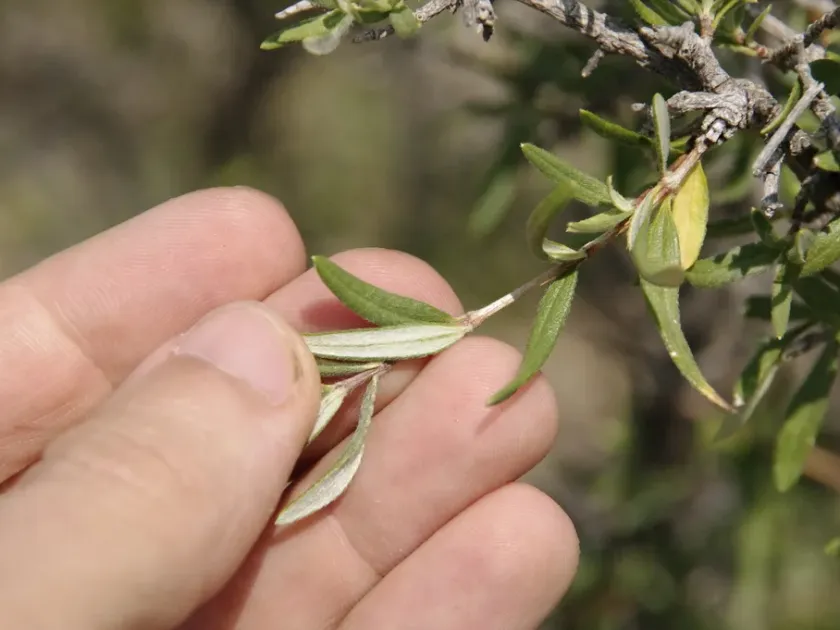
Description
Growing requirements
Fendlera wrightii, commonly known as Wright's fendlerbush, is a perennial deciduous shrub belonging to the Hydrangeaceae family. It is native to the arid mountainous regions of the southwestern United States and northern Mexico.
The plant is highly regarded for its exceptional drought tolerance and ability to thrive in poor, rocky soil conditions. It requires full sun exposure and excellent drainage, making it an ideal candidate for xeriscaping and low-water garden projects.
Botanically, it typically grows as an upright, stiff-branched shrub reaching heights between 1 and 2 meters. Its narrow leaves and unique exfoliating bark provide interesting visual texture throughout the growing season.
During late spring and early summer, the shrub produces an abundance of four-petaled flowers, which range from white to soft pink. These blossoms create a significant aesthetic impact, making it a popular choice for native plant enthusiasts.
Its primary use is in ornamental landscaping, particularly in regions prone to high heat and water scarcity. It serves as an excellent foundational plant for rock gardens and naturalistic desert-style landscapes.
Main diseases and pests
Fendlera wrightii is naturally robust and shows high resistance to most typical plant diseases. Because it evolved in dry and well-ventilated mountainous environments, it rarely suffers from fungal issues unless soil conditions are poor.
Excessive soil moisture is the primary threat to this species. Poor drainage can lead to root rot, so proper site preparation with coarse, well-draining materials is essential to ensure long-term plant health.
Pests are generally not a concern for this resilient shrub. While aphids might occasionally appear on new, succulent growth during spring, they rarely cause enough damage to warrant intervention or chemical treatments.
Regular maintenance, including the removal of dead or crossing branches, helps maintain good airflow within the canopy. This practice effectively prevents the development of microclimates that could attract unwanted insects.
Due to its high degree of environmental adaptation, chemical pest management is unnecessary. Maintaining the natural hardiness of the shrub through minimal intervention is the best approach for its cultivation.