
Fendlera rock-spiraea
Fendlera rupicola
Description
Growing requirements
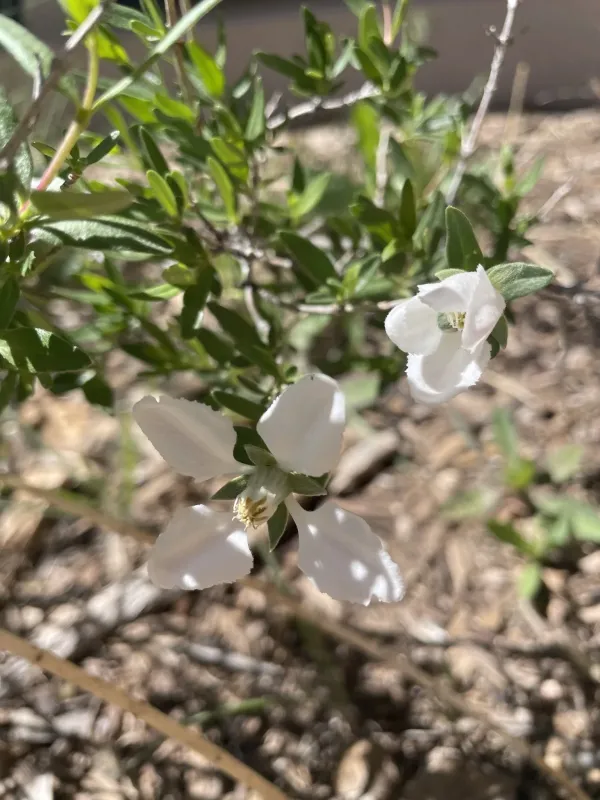
Fendlera rock-spiraea (Fendlera rupicola) is a deciduous shrub belonging to the Hydrangeaceae family. It is primarily valued in horticulture for its resilience and beautiful, star-shaped spring flowers, rather than as an agricultural food crop.
Native to the arid regions of the southwestern United States and northern Mexico, it is biologically adapted to harsh, rocky, and alkaline environments. Its root system is specialized for anchoring into rocky crevices, requiring high drainage.
This species thrives in full sun exposure. In landscape settings, it demands at least six to eight hours of direct sunlight daily to maintain a dense, bushy habit and to ensure profuse blooming each year.
Soil requirements are relatively specific: the plant does not tolerate heavy, water-logged soils. A rocky or sandy substrate that allows rapid moisture movement is essential for its long-term survival in garden settings.
In terms of climate, the rock-spiraea is exceptionally drought-hardy once established. It withstands significant temperature fluctuations, typical of its native desert and canyon environments, making it an ideal choice for xeriscaping.
Main diseases and pests
Fendlera rupicola is highly resistant to most common plant diseases. Its primary defense is its preference for dry, sunny conditions, which prevents the development of most fungal pathogens that typically affect more moisture-loving shrubs.
The most significant threat to the plant's health is crown and root rot, which occurs if the soil drainage is inadequate. Sitting in wet, cold soil for extended periods is the fastest way to kill this species.
Insects such as aphids may occasionally visit the plant during the growing season. However, these rarely reach levels that cause significant physiological damage, and natural predators usually manage these populations effectively.
Maintenance to avoid threats involves pruning out dead or diseased wood during the dormant season. Ensuring proper spacing between plants is also crucial to promote air circulation and prevent localized humidity buildup.
Overall, because the plant is well-adapted to its native habitat, it requires very little intervention. Maintaining a naturalistic approach to care, with minimal supplemental watering, is the best strategy for long-term plant health.