
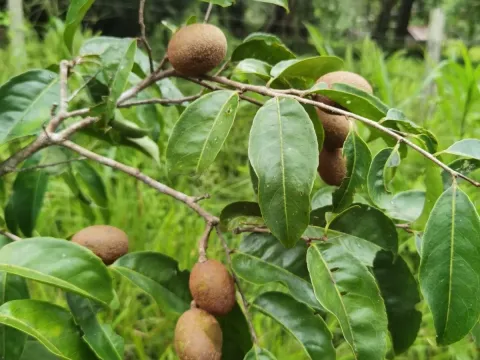
Sacoglottis
Sacoglottis
Sacoglottis is a genus of trees within the Humiriaceae family, native to the tropical regions of Central and South America. These trees are essential components of dense rainforest ecosystems, thriving in environments with stable, high-temperature climates.
What the section contains


Sacoglottis
The optimal conditions for growth include a constant high level of humidity and annual precipitation that ensures consistent moisture availability. These trees are highly sensitive to frost or cold snaps, making them exclusive to tropical zones.
Soil requirements focus on well-drained, acidic to neutral soils that provide sufficient organic matter. While they can adapt to various tropical soil profiles, they perform best in areas where the soil structure promotes deep root penetration without waterlogging.
Light requirements vary during the life cycle of the tree. Seedlings and saplings typically require shade, characteristic of the rainforest understory, while mature trees can reach the canopy layer, demanding full sun exposure as they mature.
Agricultural management for this genus is predominantly focused on silviculture. Successful propagation requires careful seed handling and nursery conditions that mimic the natural humid environment of their original habitat to ensure high survival rates.
The primary economic value of Sacoglottis is derived from its high-quality timber. The wood is known for its exceptional density and durability, making it highly sought after for heavy-duty construction and architectural applications.
Harvesting operations are conducted in accordance with forestry management plans to ensure sustainable extraction. Due to the slow growth rate of these trees, selective logging is preferred to maintain the structure and biodiversity of the forest.
Besides timber, specific species within the genus are recognized for their fruit, which provides food for local wildlife and, occasionally, for human consumption. This dual-purpose utility enhances the value of maintaining healthy stands of Sacoglottis.
Post-harvest processing involves seasoning the dense timber to prevent splitting and to enhance its natural resistance to moisture and insects. This process results in a material suitable for long-term use in outdoor construction and marine projects.
The management of harvest cycles requires a long-term perspective due to the time required for tree maturation. Sustainable harvesting practices are critical to ensuring the longevity of these species while providing a steady supply of timber resources.