
Endopleura
Endopleura
Propagation of Endopleura (Endopleura uchi) is primarily achieved through seeds, which exhibit high viability when fresh. Due to the oil-rich nature of the seeds, they should be planted shortly after extraction to ensure successful germination.
What the section contains

Endopleura
In nursery settings, seeds are sown in well-drained, nutrient-rich potting media. The optimal sowing depth is approximately 3-5 centimeters, ensuring the seed is protected from rapid dehydration while allowing for efficient root penetration.
Germination typically occurs within 4-6 weeks under controlled humidity and temperature conditions, around 25-28 degrees Celsius. Constant moisture is crucial during this phase to prevent the embryos from desiccating.
Once seedlings reach a height of 30-40 centimeters, they are ready for transplanting into larger containers or permanent orchard locations. Care must be taken to maintain the integrity of the primary root system, which is delicate.
The spacing for plantation establishment is determined by the intended primary output, whether timber or fruit. For mixed-use agroforestry systems, spacing of 8 to 10 meters is recommended to allow for full crown development of the adult trees.
Endopleura is a tropical member of the Humiriaceae family, naturally occurring in the Amazon basin. It thrives in regions with consistently high temperatures, ideally between 22 and 30 degrees Celsius, throughout the year.
The tree requires deep, well-aerated soils with a high content of organic matter. It is sensitive to waterlogged conditions, making the presence of good natural or artificial drainage essential for long-term survival.
While mature trees are relatively light-demanding, saplings require partial shade during the first two years to protect them from excessive direct radiation. High atmospheric humidity is a key factor in promoting healthy vegetative growth.
Soil pH should ideally range from 5.0 to 6.5. Endopleura demonstrates moderate tolerance to acidic conditions but benefits significantly from the application of balanced organic fertilizers to counteract nutrient leaching in tropical soils.
Adequate annual rainfall, exceeding 2000 mm, is necessary for maintaining metabolic activity. Supplemental irrigation is advisable during seasonal dry spells to prevent stress-induced yield reduction.
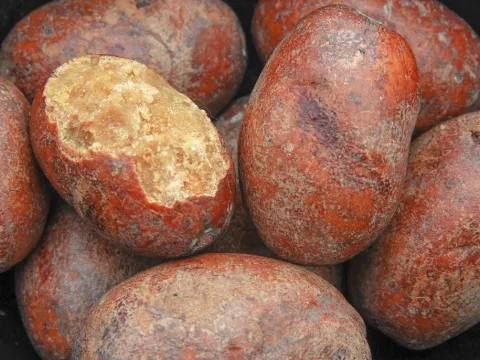
Endopleura produces fruit known locally as 'makira', which are highly valued for their oil content and nutritional profile. A healthy mature tree can yield 30-50 kilograms of fruit per season, depending on environmental variables.
The tree begins to bear fruit after 8-12 years, representing a long-term agricultural commitment. Peak productivity is generally observed between the second and fourth decades of the tree's lifespan.
Fruit quality is highly dependent on effective pollination by local insects. Maintaining a healthy ecosystem around the orchard ensures high fruit set rates and consistent annual production volumes.
Beyond fruit, Endopleura is prized for its high-density timber. The wood is extremely durable and resistant to decay, making it an excellent resource for high-end furniture manufacturing and specialized construction.
Selective pruning of lower branches and thinning of the canopy helps concentrate tree energy toward reproductive growth, thereby maximizing fruit output while improving the overall health of the tree structure.
The primary threats to Endopleura involve fungal infections of the root system, often exacerbated by excessive soil moisture. Root rot pathogens can cause crown dieback, necessitating strict moisture management and regular monitoring.
Leaf-feeding insects, including various tropical lepidopteran larvae, can cause significant defoliation. Integrated pest management strategies, utilizing biological controls, are preferred to maintain the ecological balance of the plantation.
Leaf-cutter ants pose a severe risk to young nursery stock. Protecting seedlings with physical barriers or targeted baiting systems is essential to ensure high survival rates in the initial growth phases.
Viral diseases, potentially transmitted by sap-sucking insects, may lead to stunted growth and reduced yields. Rogueing infected plants and controlling insect vector populations are critical preventive measures.
Sanitation practices, such as disinfecting tools between pruning operations and removing infected plant debris, are fundamental in preventing the spread of pathogens throughout the orchard environment.
Harvesting makira fruit is conducted manually when signs of maturity, such as skin color changes and distinct aroma, appear. Given the tree's height, mechanical aids like long-reach poles are often required.
Fruits are highly perishable due to their high oil content and should be collected daily. Prompt post-harvest handling, including sorting and cooling, is vital to prevent quality degradation and the development of rancidity.
For timber production, trees are selected based on age and health, typically after 30-50 years. Sustainable logging practices are employed to maintain the ecological integrity of the plantation site.
The supply chain from the harvest point to the processing center must be optimized for speed, particularly in tropical climates. The use of refrigerated transport is recommended to ensure the fruit reaches the market in peak condition.
Effective post-harvest management includes drying or immediate processing of fruit into oils, which stabilizes the product and allows for longer storage periods compared to raw fruit handling.