
Sacoglottis guianensis
Sacoglottis guianensis
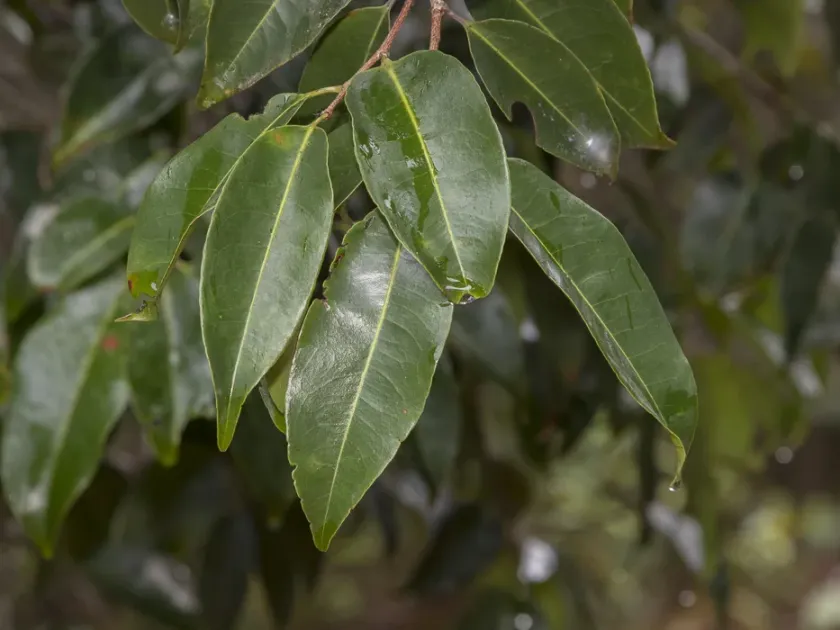
Description
Growing requirements
Sacoglottis guianensis is a prominent member of the Humiriaceae family, known for its significant stature and structural wood quality. This species is native to the tropical forests and savannahs of South and Central America.
Botanically, it is an evergreen tree capable of thriving in diverse environments ranging from dense, moisture-rich lowland forests to well-drained, nutrient-poor sandy soils in savanna areas.
Environmental requirements for this species are centered on a tropical climate. It demands consistent warm temperatures throughout the year and is highly sensitive to frost or prolonged extreme cold spells.
Regarding soil conditions, Sacoglottis guianensis performs best in deep, acidic, and well-drained soils. While it can handle some variations in soil fertility, maintaining adequate aeration for the root system is essential for healthy development.
For successful cultivation, saplings should be established in sheltered sites with partial shade. As the tree matures, its tolerance to full sunlight increases, allowing it to become a dominant component of the canopy.
Harvesting
The economic utility of the tree is primarily rooted in its high-density timber, which is highly resistant to rot and insect infestation, making it an excellent resource for local construction projects.
The fruits of this tree are edible and hold regional importance. They are consumed locally and processed into traditional beverages, providing a seasonal source of nutrition and income for local communities.
Medicinal applications of the plant include the use of its bark and resin. These components contain bioactive compounds traditionally utilized for their antiseptic and healing properties in folk medicine.
Harvesting of the fruit should be done with care to preserve the canopy structure. Since the tree contributes significantly to the forest ecosystem, sustainable harvest practices are essential to prevent long-term depletion.
The propagation of the species relies on fresh seeds. Seed viability drops significantly after drying, so immediate planting in nurseries is recommended to achieve high germination rates for afforestation efforts.