
Sacoglottis gabonensis
Sacoglottis gabonensis
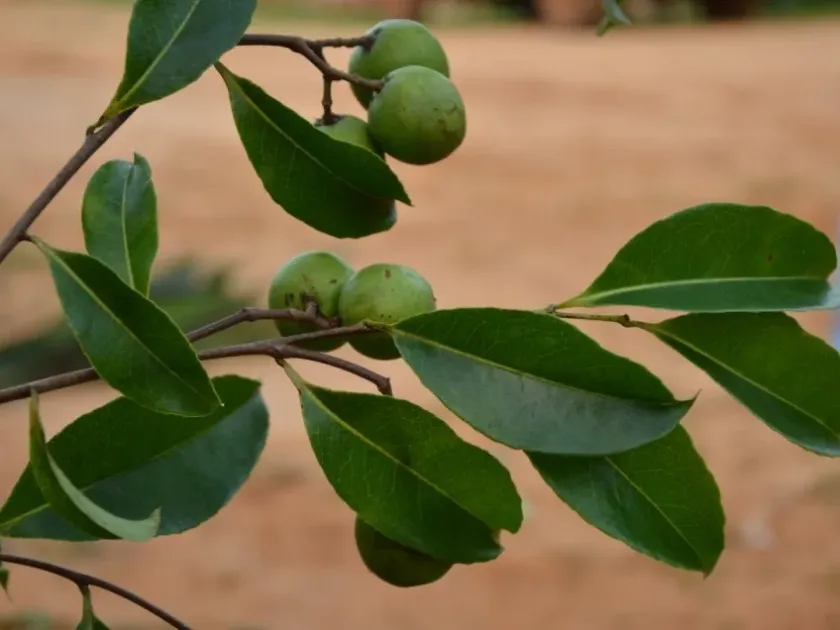
Description
Growing requirements
Sacoglottis gabonensis is a prominent tropical tree species belonging to the Humiriaceae family. It is naturally found in the humid rainforests across Western and Central Africa.
The tree thrives in deep, fertile, and well-drained soils. It requires a climate with high, consistent annual rainfall and temperatures that do not drop significantly throughout the year.
Botanically, it is a large evergreen tree capable of reaching significant heights. It possesses a robust root system and a dense trunk structure that is well-adapted to the competitive environment of the primary forest.
In terms of cultivation, seedlings require a period of shade before they can tolerate full sun exposure, mimicking the natural gap-phase dynamics of the rainforest.
Agrotechnical requirements focus on maintaining soil structure and moisture balance to promote healthy development during the long establishment phase of the plant.
Yield
The fruits of the tree are highly prized for the production of a local fermented alcoholic beverage, frequently referred to as 'bitto wine', which has cultural significance in its native range.
The wood is considered of high economic value due to its extreme durability, high density, and resistance to decay, making it suitable for high-end carpentry and construction.
Secondary products include various resins extracted from the bark, which are utilized in traditional medicinal applications and regional trade.
Productivity relies on the sustainable harvesting of wild populations, as the species exhibits slow growth rates, making intensive plantation management challenging.
Yield metrics are largely determined by tree maturity and the ecological health of the forest stand where the individuals are located.
Main diseases and pests
The species faces pressure from various wood-boring insects that can significantly degrade the timber quality if the tree is stressed or damaged.
Root rot pathogens represent a severe risk in waterlogged soils, necessitating proper drainage strategies during the establishment of any new plantings.
Deforestation and habitat fragmentation are the primary threats to the genetic diversity and long-term viability of Sacoglottis gabonensis.
Young plants are susceptible to competition from aggressive invasive vines which can overwhelm and shade out the growing saplings in reforestation projects.
Foliar fungal diseases, while typically minor, can proliferate in high-humidity microclimates, requiring careful canopy management to ensure air circulation.