
Bersama abyssinica
Bersama abyssinica
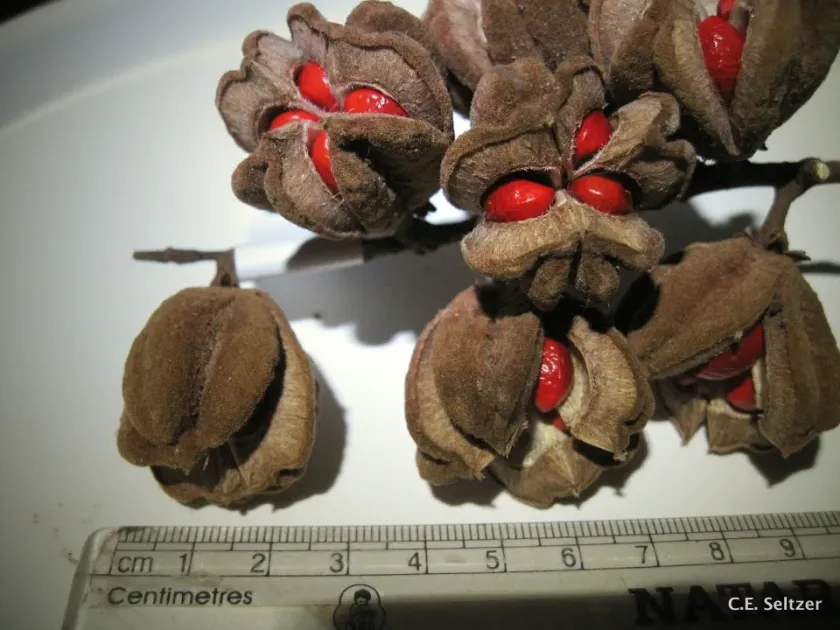
Description
Growing requirements
Bersama abyssinica is a prominent member of the Melianthaceae family, functioning as a perennial evergreen shrub or tree. Native to the mountainous regions of tropical Africa, this plant is well-regarded for its adaptability to diverse ecological niches ranging from lowland forests to highland meadows.
This crop thrives in deep, fertile soils that provide adequate moisture retention while maintaining sufficient oxygen levels for root respiration. When cultivating Bersama abyssinica, it is essential to mimic its natural environment by ensuring high ambient humidity and protection from extreme temperature fluctuations.
Regarding climate needs, the species prefers tropical conditions where seasonal variations are minimal. It requires consistent irrigation during early developmental stages to ensure robust root establishment, though it becomes moderately drought-tolerant as it reaches maturity.
Agricultural management should prioritize the maintenance of soil structure through organic amendments, as the plant responds well to nutrient-rich substrates. Proper spacing during plantation is necessary to prevent excessive competition for light and water among individual specimens.
In terms of usage, the plant serves multiple purposes, including traditional medicinal applications and its role in maintaining soil health in agroforestry systems. Its ability to thrive in mixed plantings makes it a valuable asset for soil stabilization and biodiversity conservation efforts.
Main diseases and pests
Root rot caused by pathogenic soil fungi represents a significant threat, especially in areas with poor drainage and waterlogged conditions. Improving subsoil structure and preventing excess runoff are primary defense strategies for farmers.
Insect pests, including various species of beetles and caterpillars, can occasionally impact leaf health. Effective management involves integrated pest control strategies, such as attracting natural predators and maintaining healthy, resilient plant populations to suppress infestations.