
Bersama lucens
Bersama lucens
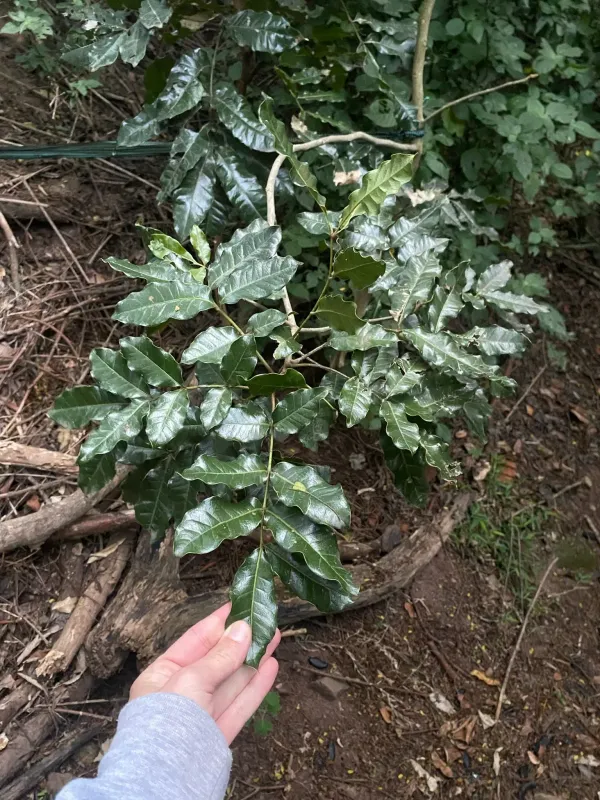
Description
Growing requirements
Bersama lucens is an evergreen tree or large shrub belonging to the Melianthaceae family. Native to the coastal forests and bushveld of South Africa, it is widely recognized for its shiny, lush foliage and graceful architectural form.
The cultivation requirements for Bersama lucens focus on a warm, frost-free climate. It thrives in full sun but can tolerate partial shade, provided it receives sufficient light to maintain the glossy appearance of its compound leaves.
Regarding soil, this species prefers deep, well-draining, and nutrient-rich soils. While it can adapt to various soil types, moisture control is crucial; the plant should be watered regularly during dry seasons but never allowed to sit in waterlogged soil.
Botanically, the plant is characterized by its pinnate leaves and terminal racemes of greenish-white flowers, which bloom to attract various pollinating insects. It grows at a moderate pace, reaching heights suitable for medium-sized gardens or coastal hedges.
Its primary use is in ornamental landscaping and xeriscaping in suitable climates. Due to its robustness, it is frequently used in coastal garden designs where salt tolerance and wind resistance are highly valued traits for privacy screening.
Main diseases and pests
Root rot is the most significant threat to the health of Bersama lucens, usually triggered by poor drainage or excessive irrigation. Ensuring a well-aerated root zone is the best preventative measure against fungal pathogens.
Insects like scale insects and mealybugs can pose problems, as they often colonize the undersides of leaves and stems. These pests weaken the plant and can cause stunted growth or leave sticky residue on the foliage.
Integrated pest management, including the use of horticultural oils, is recommended for controlling infestations. Physical removal of affected branches can also help manage localized outbreaks before they spread throughout the canopy.
Leaf spots caused by fungal infections may occur during humid or stagnant conditions. Maintaining proper spacing between plants and allowing for good air circulation are essential to mitigate these issues.
Regular maintenance pruning is advised to keep the shrub's structure open, which helps in preventing pest habitats and fungal growth, while also promoting more vigorous new growth during the primary growing season.