
Tylosema fassoglensis
Tylosema fassoglensis
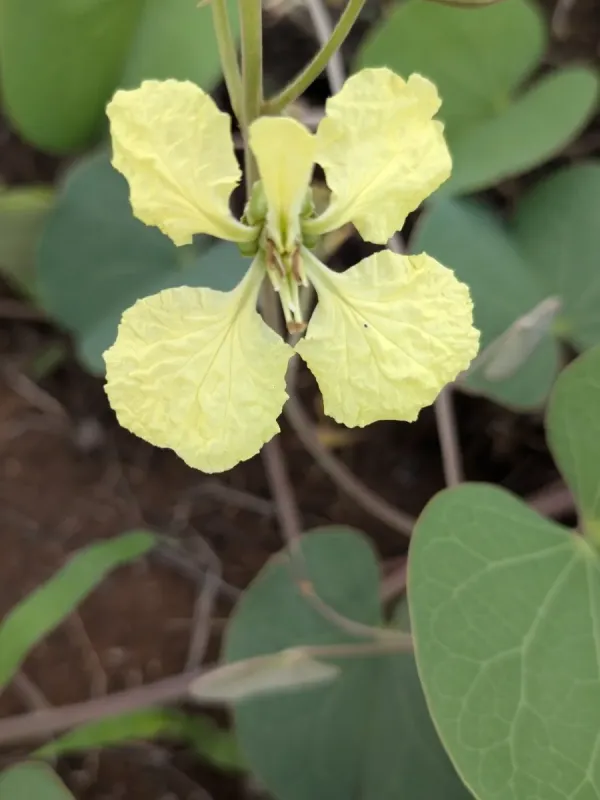
Description
Sowing dates
Tylosema fassoglensis is a perennial herbaceous plant belonging to the Fabaceae family. It is characterized by its significant subterranean tubers, which serve as water and nutrient storage organs in arid environments.
The sowing process is typically timed with the onset of the rainy season to provide the seedlings with enough moisture to establish their root systems before the onset of extreme heat.
Seeds of this plant have a hard seed coat, which necessitates mechanical scarification to ensure uniform and rapid germination. Planting depth should be maintained between 5 and 7 centimeters to protect the seed from excessive soil surface temperatures.
Sowing in well-structured, porous soil is crucial. Since the plant develops as a trailing vine, adequate spacing is required to prevent overcrowding and to allow for proper air circulation throughout the foliage.
Regular monitoring during the first weeks after germination is essential, as the young plant is most vulnerable to competition from weeds and potential moisture stress during this stage.
Growing requirements
This crop thrives in areas with full sun exposure. High solar radiation is a prerequisite for flowering and the subsequent development of fruit, as shaded environments lead to significantly reduced yields.
It prefers sandy or loamy soils with excellent drainage. The plant is exceptionally well-adapted to nutrient-poor soils, common in many parts of the African savanna, making it a low-input crop.
Climate requirements include high temperatures and a distinct dry season, which the plant utilizes to enter dormancy. It cannot survive in areas prone to hard frosts or prolonged cold weather conditions.
Water management is critical; while the plant is drought-tolerant, it requires sufficient moisture during the vegetative growth phase. Excessive irrigation or waterlogged soil is strictly contraindicated.
Soil pH should ideally range from slightly acidic to neutral. In very heavy clay soils, growth is stunted due to restricted root development and poor oxygen exchange in the rhizosphere.
Yield
The primary economic output of Tylosema fassoglensis is its edible seeds, which are highly valued for their protein and oil content. The fruit consists of robust, woody pods that require harvest at maturity.
Yield stability is dependent on the management of the growth cycle and the prevention of damage to the tubers. In optimal conditions, a single plant can produce a considerable volume of nutrient-dense beans.
The seeds have a characteristic nutty flavor and are typically consumed after roasting or boiling. This processing method also improves the bioavailability of the nutrients contained within the seeds.
Beyond seed production, the plant has historical importance in local ethnobotanical practices. Sustainable harvesting is important to ensure the plant continues to produce viable crops over several seasons.
Post-harvest handling requires immediate drying of the pods to prevent mold formation, ensuring that the stored seeds remain viable for consumption or future sowing.
Main diseases and pests
Tylosema fassoglensis is relatively robust against common agricultural pests, thanks to its specialized chemical defense mechanisms. However, aphids and spider mites can occasionally affect the foliage under severe drought stress.
Fungal root pathogens are the most significant threat, particularly in poorly drained soils. Controlling the moisture balance is the primary preventive measure against these devastating soil-borne diseases.
Post-harvest storage pests, such as weevils, pose a major risk to seed viability. Utilizing proper sealing techniques and storing in cool, dry conditions is essential for maintaining product quality.
Weed control is vital during the early establishment phase to prevent young plants from being outcompeted for sunlight and soil nutrients. Once the canopy closes, the plant is much more competitive.
Wild animals, particularly rodents, can cause significant damage by feeding on the subterranean tubers. Protecting the root zone in areas with high rodent populations is necessary to maintain plant longevity.