
Trifidacanthus unifoliolatus
Trifidacanthus unifoliolatus
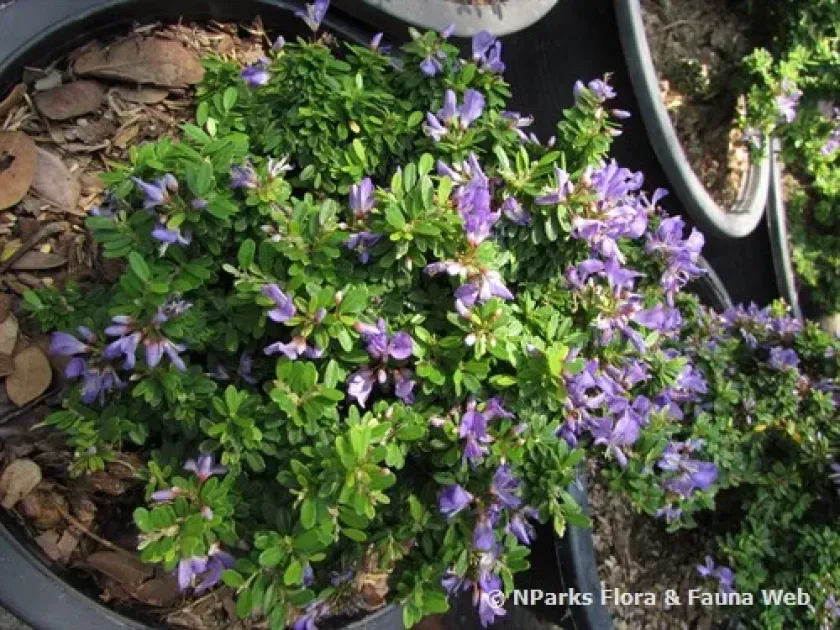
Description
Growing requirements
Trifidacanthus unifoliolatus is a unique shrub species belonging to the Fabaceae family. Originating from the tropical regions of Southeast Asia, particularly Vietnam, it is recognized for its distinct morphological characteristics and ecological niche.
The cultivation of this plant requires a tropical climate with high humidity and consistent warm temperatures, typically ranging from 22°C to 30°C. It is intolerant of frost and significant temperature fluctuations, necessitating climate-controlled environments in non-tropical regions.
Soil requirements for this legume include a well-draining, nutrient-rich substrate with a slightly acidic to neutral pH. Proper aeration is crucial to prevent root asphyxiation, as the plant is sensitive to waterlogged conditions during the growing phase.
Agricultural management involves routine monitoring of soil moisture and the strategic application of organic amendments to support development. As a nitrogen-fixing species, it contributes to soil fertility, making it a potentially valuable component in specific agroforestry systems.
Light exposure is a critical factor for the plant's health; it thrives in bright, indirect light. Direct sunlight, especially in high-intensity tropical zones, should be managed to avoid foliar scorching and dehydration of the young canopy.
Main diseases and pests
Fungal pathogens are the primary biological threats to Trifidacanthus unifoliolatus, particularly when grown in environments with poor air circulation. Overwatering often leads to root rot, which can be fatal to young specimens.
Powdery mildew represents a common foliage disease, especially during transition seasons with variable humidity levels. Application of preventative fungicides or sulfur-based treatments is often required in professional nursery settings.
Pests such as spider mites and scale insects frequently target the foliage and stems. These pests can rapidly weaken the plant, leading to stunted growth and reduced vigor if not managed through integrated pest control strategies.
Root-knot nematodes may occasionally cause damage in open field cultivation, particularly in sandy soil types. Soil solarization or the use of healthy, pathogen-free nursery stock are essential for effective management.
Sanitation practices, including the removal of dead leaves and pruning of infected branches, are vital for disease control. Maintaining proper spacing between plants helps reduce the likelihood of pest outbreaks and humidity-driven infections.