
Pterogyne nitens
Pterogyne nitens
Description
Sowing dates
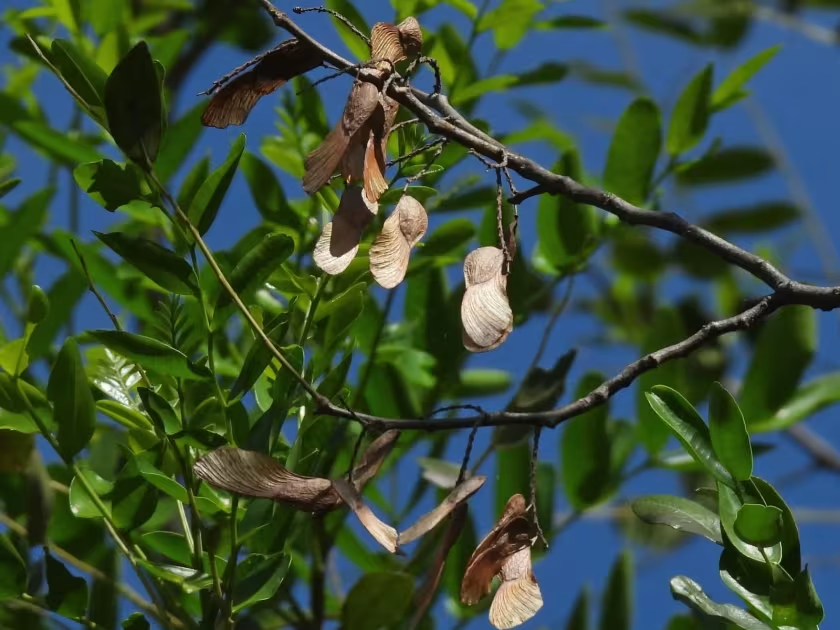
Pterogyne nitens is a tree species typically propagated from seeds in specialized forestry nurseries. In nature, its winged seeds are dispersed by wind, facilitating natural regeneration in open forest areas.
For cultivation, seeds are harvested when the pods reach full maturity and brown coloration. Proper storage is essential to maintain high germination rates, as the seeds are sensitive to extreme heat and prolonged moisture exposure.
Soil preparation for planting involves deep plowing to allow the taproot system to develop properly. Seedlings are usually transplanted to the field at the beginning of the rainy season to ensure optimal establishment.
Container-based nursery production is commonly used to ensure seedlings reach a robust size before final planting. Regular irrigation during the initial establishment phase is critical for survival and rapid growth.
Planting density is adjusted based on the specific forestry goals, such as timber production or windbreak establishment. Strategic spacing ensures that each tree receives sufficient sunlight, which is necessary for vigorous development.
Growing requirements
As a member of the Fabaceae family, this species is native to the forests of South America, particularly in Brazil, Argentina, and Paraguay. It is a light-demanding tree that does not thrive in dense shade.
The species prefers well-drained soils with a neutral or slightly acidic pH. It exhibits excellent tolerance to drought, making it suitable for regions experiencing seasonal water scarcity.
The optimal temperature for successful growth is within the tropical to subtropical range. The tree is sensitive to heavy frosts, which can damage juvenile plants and retard their overall development.
A key biological feature is the ability of the root system to form symbiotic relationships with nitrogen-fixing bacteria. This process significantly improves soil fertility, benefiting the entire local ecosystem.
The tree's resistance to wind makes it an ideal candidate for windbreaks surrounding agricultural fields. Beyond wind protection, it contributes to soil stability and erosion control on sloped terrains.
Yield
The primary economic value of Pterogyne nitens is its high-quality timber, known commercially as Ibiraro. The wood is renowned for its high density, strength, and remarkable resistance to natural decay.
The growth rate is moderate compared to fast-growing exotic species, but the superior quality of the biomass offers higher long-term market value. Significant timber yield is typically expected after several decades of growth.
Beyond wood production, the species plays a vital role in agroforestry systems by contributing to soil enrichment. Integrating this legume tree into land management helps maintain the productivity of surrounding areas.
The timber is highly sought after for furniture making, flooring, and exterior construction elements. Its aesthetic texture and durability ensure a stable demand in the international wood market.
Given the global transition toward sustainable forestry, managing Pterogyne nitens plantations represents a profitable and environmentally responsible investment for equatorial regions.
Main diseases and pests
Young plantations are vulnerable to grazing animals that can damage the bark and young shoots. Fencing and protective measures are mandatory during the first years of growth to prevent such damage.
Excessive soil moisture can predispose the root system to fungal infections. Careful site selection, focusing on well-drained terrain, is the primary method for mitigating this risk.
Insect pests that consume foliage can slow growth rates during peak development seasons. Regular monitoring of plantations allows for early identification and control of pest populations.
Weed competition is a significant threat during the initial two years of growth. Mechanical weeding and mulching around the base of the trees are essential to minimize competition for nutrients and water.
Sanitary pruning of dead or diseased branches is recommended to maintain the overall health of the tree. This simple practice prevents the spread of pathogens throughout the forest stand.