
Psoralea corylifolia
Psoralea corylifolia L.
Description
Sowing dates
Sowing should only begin once the soil temperature at a 10 cm depth reaches 15–18 degrees Celsius. Timing is crucial, and it is usually done in late spring to avoid any risk of late frosts.
The crop is typically sown in rows with spacing between 45 and 60 centimeters. This provides sufficient room for the plant to branch extensively, which is essential for maximizing the yield of seed-bearing pods.
Seeds are sown at a depth of 2–3 centimeters. Under favorable moisture and temperature conditions, germination occurs within 10–14 days. Consistent soil moisture is required during the initial emergence stage.
Weed management is vital during the early weeks of growth, as Psoralea corylifolia grows slowly at first and can be easily outcompeted by aggressive weeds. Clean cultivation is a key requirement for success.
Pre-sowing treatment of seeds with growth stimulants or soaking in water for a few hours can significantly improve the uniformity of germination and boost the overall vigor of the young seedlings.
Growing requirements
Psoralea corylifolia L., belonging to the Fabaceae family, is an annual herb traditionally cultivated in tropical and subtropical regions of Asia, particularly in India and China. It is highly valued for its therapeutic properties.
The crop thrives in sunny environments with well-drained, fertile soils that have a neutral to slightly alkaline pH. It is extremely sensitive to frost and requires a long, warm growing season to reach full maturity.
Optimal growth requires moderate humidity. The plant is prone to root rot in waterlogged conditions, making well-drained, elevated plots essential for successful farming. It does not tolerate prolonged standing water.
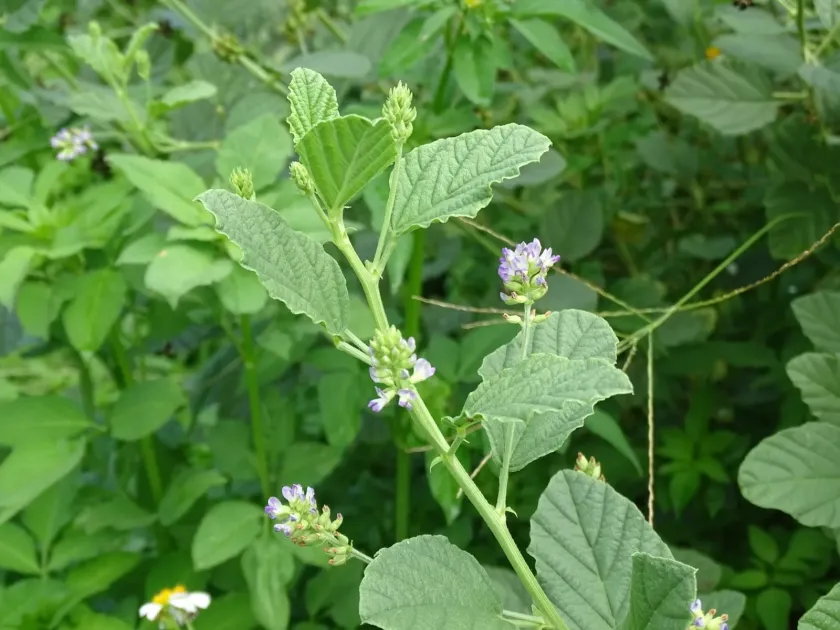
Botanically, it features an erect, glandular, hairy stem growing up to 1 meter in height. Its leaves are simple and ovate, and the flowers are clustered into dense, violet-colored globose heads that are characteristic of the species.
Its primary economic importance lies in its seeds, known as "babchi." These seeds are rich in coumarins, such as psoralen, which are extensively used in pharmaceutical industries for treating skin conditions like vitiligo and psoriasis.
Yield
The yield of Psoralea corylifolia is heavily dependent on management practices and environmental factors. On average, a well-maintained crop produces between 800 and 1200 kg of seeds per hectare.
Flowering and seed-setting phases are critical for productivity. Adequate irrigation during these stages is essential; drought stress can lead to bud drop and significantly reduce the total harvest volume.
The plant shows a strong correlation between light intensity and productivity. Sufficient sunlight during the vegetative phase ensures better biomass development and higher seed quality.
To maximize yields, foliar applications of micronutrients like boron and molybdenum are often recommended during the budding stage to improve pollination efficiency and enhance grain filling.
Harvesting is labor-intensive because the pods ripen unevenly. Strategic management or selective harvesting is often necessary to obtain the highest quality output and prevent pre-harvest losses.
Main diseases and pests
Root rot, caused by Fusarium or Rhizoctonia species, is the most common and destructive disease, particularly when the crop is grown on heavy, moisture-retaining soils without proper drainage.
Pests such as spider mites and aphids are major threats, especially during hot and dry spells. They feed on plant sap, leading to stunted growth and reduced vigor, which can severely impact final yields.
Leaf-eating insects like caterpillars can damage the foliage, reducing the plant's photosynthetic capacity. Regular monitoring of the field is necessary to apply timely control measures if infestations occur.
Maintaining a strict crop rotation schedule is the most effective preventive measure against soil-borne pathogens. Avoid planting Psoralea after other legumes to minimize the risk of pest and disease buildup.
Pesticide usage must be carefully planned, especially given the plant's medicinal use. Strict adherence to safety intervals is required to ensure the final seed product remains free from harmful chemical residues.
Harvesting
The harvest begins when the pods turn dark brown or black, signaling that the seeds have reached maturity. This is the primary indicator for farmers to begin field operations.
Timeliness is critical to prevent shattering. As the pods reach full maturity, they are prone to splitting, which can lead to significant yield losses if the harvest is delayed or improperly handled.
After collection, the seeds must be thoroughly dried. Natural drying under shaded conditions is preferred, ensuring temperatures do not exceed 40 degrees Celsius to protect the integrity of the active chemical compounds.
Post-harvest processing involves cleaning and grading the seeds. Removing impurities such as plant debris is essential to ensure the quality required by the pharmaceutical trade and processing plants.
Storage should be in cool, dry, and well-ventilated areas to prevent fungal contamination. Proper packaging in breathable containers helps maintain the shelf life and potency of the seeds until they are processed.