
Onobrychis vassilczenkoi
Onobrychis vassilczenkoi
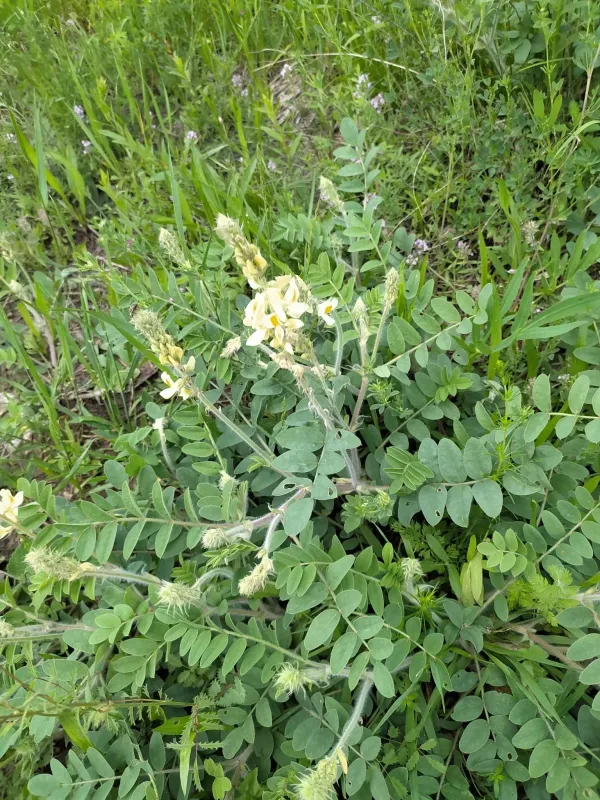
Description
Sowing dates
Onobrychis vassilczenkoi is a perennial herbaceous plant belonging to the Fabaceae family, highly valued for its nutritional quality and ability to fix atmospheric nitrogen. It is a specialized crop adapted to specific ecological niches.
The optimal sowing time is early spring, which allows the seedlings to establish a deep taproot system before the onset of summer drought. Precision in seeding depth is crucial for uniform emergence and development.
Row spacing depends on whether the crop is intended for hay production or seed multiplication. Narrow rows are generally preferred for biomass, while wider rows may be used for seed production to facilitate weeding and aeration.
Pre-sowing preparation involves ensuring the seedbed is firm and free from weeds. Because sainfoin seeds are relatively large, they have enough vigor to emerge if sown at a depth of approximately 3 to 4 centimeters.
Young plants develop slowly in the first months, so managing weed competition during this phase is essential. Once established, Onobrychis vassilczenkoi becomes highly competitive and can sustain productive yields for several years.
Growing requirements
This crop thrives in regions with a continental climate, demonstrating excellent tolerance to cold winters. It prefers well-drained, calcareous soils with a neutral or slightly alkaline pH.
High soil permeability is vital for its survival, as the plant is extremely sensitive to waterlogging. Excessive moisture around the roots can lead to rapid decay and a decrease in stand density.
Onobrychis vassilczenkoi is well-known for its drought tolerance, which is supported by its deep root system. This trait makes it an ideal choice for arid and semi-arid regions where conventional legumes often struggle.
The plant requires full sun exposure for optimal growth. Shading, even by other crops or dense weed infestations, significantly reduces the yield and the plant's ability to store energy in its root system.
Adequate levels of phosphorus and potassium are necessary to support root development and nitrogen fixation. Although it requires little nitrogen fertilization, micronutrient availability can impact long-term crop vitality.
Yield
The yield of Onobrychis vassilczenkoi is highly dependent on effective crop management and soil nutrient availability. It typically produces high-quality forage that is rich in proteins and essential vitamins.
A key advantage of this plant is that its forage does not cause bloat in ruminant livestock. This property allows for safer grazing practices compared to clover or alfalfa, making it a preferred choice for livestock farms.
Seed yield can be substantial if favorable pollination conditions are met. Since the flowers are excellent nectar producers, the presence of bees in the area significantly boosts the seed set rate.
To maximize biomass, harvesting should be performed in the full bloom stage. This timing ensures the best balance between high protein content and the physical weight of the plant matter.
Managing the regrowth after the first or second cut is critical for the plant's overwintering success. A period of rest during the late summer allows the plant to accumulate sugars for the winter season.
Main diseases and pests
The main threats to this crop include various fungal diseases, such as powdery mildew, which can develop rapidly under humid conditions. Regular monitoring is essential to prevent large-scale spread.
Seed-feeding insects are the primary pests affecting seed yields. Larvae can cause significant damage to the developing pods, necessitating the use of targeted insecticide applications when thresholds are exceeded.
Root-knot nematodes can damage the plant's root system, leading to overall decline and reduced longevity of the stand. Rotation is a primary strategy to manage soil-borne pathogen populations.
Integrated Pest Management (IPM) practices should be followed to maintain healthy crops. This includes maintaining proper spatial isolation between new and old stands of sainfoin.
- Regular inspection of fields.
- Choosing disease-resistant varieties.
- Proper crop rotation intervals.
- Timely application of protective sprays.
Harvesting
Harvesting for hay should occur as the crop reaches the flowering stage. At this point, the stems are still tender enough to ensure good palatability for livestock while nutrient concentration is at its peak.
For seed harvesting, timing is everything. It is necessary to wait until the majority of the pods have matured and turned color to minimize losses due to shattering in the field.
Mechanical drying is often used to process the biomass, as the plant's structure allows for effective ventilation. Drying should be swift to retain the green color, which indicates a higher nutritional value.
Proper storage is essential to maintain the quality of the harvested produce. The storage environment must be cool and dry to prevent mold growth and the loss of vitamin content over time.
Processing the seed requires careful calibration of equipment to avoid physical damage to the seeds during threshing. After cleaning, seeds should be stored in moisture-proof containers until planting.