
Desert ironwood
Olneya tesota
Description
Growing requirements
Olneya tesota, commonly known as desert ironwood, is a perennial legume tree native to the Sonoran Desert. It belongs to the Fabaceae family and is considered a keystone species in its habitat, providing shade and shelter for many desert organisms.
The tree is strictly adapted to arid climates. It thrives in regions with intense sunlight, high heat, and minimal annual rainfall. Successful establishment requires well-drained soil, typically sandy or gravelly, with low organic matter content.
Temperature management is critical; desert ironwood cannot survive prolonged exposure to freezing temperatures. In agricultural or horticultural settings, it must be planted in frost-free zones to ensure survival during its initial growth stages.
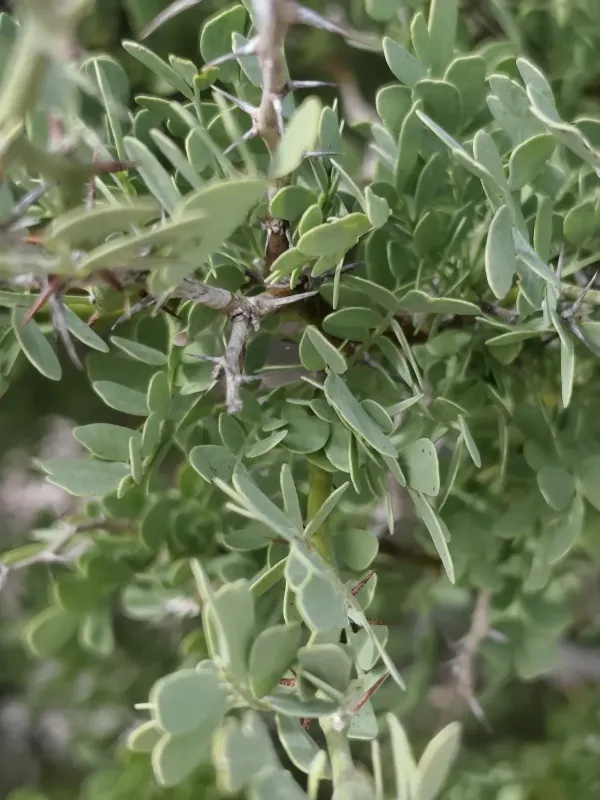
Botanically, it features pinnately compound, grey-green leaves and produces attractive pinkish-purple pea-like flowers. Its growth rate is exceptionally slow, which correlates with the high density and hardness of its timber.
Economically, the wood is renowned for its durability and aesthetic appeal in carving and woodworking. Due to its conservation status in many areas, the harvesting of wild timber is strictly regulated, encouraging sustainable cultivation practices.
Main diseases and pests
The primary threats to Olneya tesota populations include habitat fragmentation and climate change. As a slow-growing species, it struggles to recover from rapid land-use changes and deforestation for fuel production.
Seed predation by various desert insects and small mammals significantly limits the recruitment of new saplings. Protecting the seed bank is essential for the long-term viability of ironwood groves.
Root rot, specifically caused by fungal pathogens, can be a major issue if trees are planted in sites with poor drainage or exposed to improper irrigation methods. Maintaining the natural hydraulic balance of the soil is vital.
Invasive grasses can compete with young desert ironwood for scarce soil moisture. Weed management around the base of the tree is recommended in the first few years after planting to reduce environmental stress.
While the tree is largely resistant to most diseases, maintaining ecosystem health through native companion planting is the best strategy to prevent pest outbreaks that could weaken the wood structure.