
Giant sensitive plant
Mimosa diplotricha C. Wright
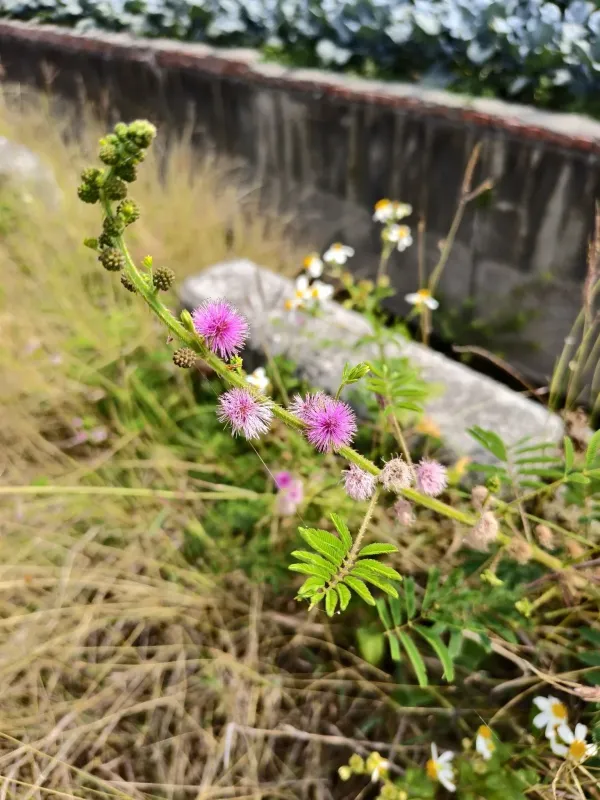
Description
Sowing dates
Mimosa diplotricha, a member of the Fabaceae family, is a vigorous, spreading herbaceous plant often used in tropical agricultural systems. Sowing is typically aligned with the onset of the rainy season to ensure sufficient moisture for the germination of its hard-coated seeds.
Seed scarification is a common agronomic practice to break dormancy and ensure uniform emergence across the field. When used as a ground cover, a high seeding rate is utilized to achieve rapid coverage and effectively suppress weed germination.
Seeds are placed at a shallow depth of 1-2 centimeters, which allows for quick moisture absorption and initial root establishment. Within a few weeks of germination, the plants develop a dense network of foliage that protects the soil surface.
Optimal sowing conditions require temperatures consistently above 20 degrees Celsius. In tropical regions, this allows the crop to maximize growth before any seasonal stress, ensuring the plant reaches maturity before the most intense dry conditions.
Due to the persistence of the seed bank in the soil, spontaneous regrowth is often observed in subsequent seasons. Growers must manage the population density carefully to ensure the plant provides benefits without becoming overly invasive in primary crop areas.
Growing requirements
The plant thrives in well-drained soils with a neutral or slightly acidic pH, displaying significant adaptability to various soil types. It is an obligate sun-loving species, meaning shade will significantly reduce its growth rate and overall biomass production.
While Mimosa diplotricha exhibits impressive drought tolerance once established, it requires consistent moisture during the early vegetative phase to develop a robust root system. Excessive waterlogging, however, should be avoided to prevent root rot.
As a legume, it performs best when the soil contains the necessary nitrogen-fixing rhizobia bacteria. It is highly effective at improving soil structure and fertility through the addition of biomass and nitrogen enrichment from symbiotic activity.
The ideal temperature for photosynthesis and metabolic processes ranges from 25 to 30 degrees Celsius. It is highly susceptible to frost, effectively restricting its cultivation and natural range to tropical and subtropical climate zones.
Its ability to stabilize soil and prevent erosion on sloping terrains makes it an excellent choice for soil conservation efforts. It can flourish even on degraded land, helping to restore organic matter content over several growing cycles.
Yield
The biomass yield of Mimosa diplotricha is remarkably high, providing substantial quantities of green manure for soil enrichment. In optimal conditions, it can generate significant tonnage per hectare within a single growing season.
Agronomic utility is measured by its contribution to soil nutrient profiles, particularly nitrogen availability. By harvesting the green material at the correct stage, growers maximize the return of nutrients to the soil for subsequent cash crops.
The plant has a strong capacity for regrowth after being cut, allowing for multiple harvests of biomass. This characteristic increases its overall economic value and reduces the frequency of re-seeding operations required on the plantation.
Seed productivity is also considerable, ensuring that natural reseeding can maintain the cover crop population. This reliable seed production supports sustainable land management with minimal external inputs after the initial establishment.
By effectively suppressing weeds, the crop increases the net yield of the overall farming system. The cost savings from reduced herbicide usage and improved soil health are key indicators of its agricultural value.
Main diseases and pests
Viral diseases represent the most significant threat to Mimosa diplotricha, often spread by insect vectors such as aphids or leafhoppers in humid conditions. Symptoms include leaf deformation and a decrease in photosynthetic efficiency.
Root rot caused by fungal pathogens is a frequent issue if soil drainage is inadequate or if the field remains waterlogged for extended periods. Maintaining proper soil moisture levels is the most effective preventative measure.
Leaf-eating insects can cause substantial foliage damage during the peak growing season, potentially hindering biomass accumulation. Regular field monitoring is essential to detect early infestations before they lead to severe defoliation.
Root-knot nematodes may infest the plant, causing swellings on the roots that disrupt nutrient and water uptake. This can weaken the plant and reduce its effectiveness as a nitrogen-fixing cover crop.
While the plant is quite hardy, dense stands in stagnant air environments may be susceptible to powdery mildew. Ensuring adequate air circulation between plants is recommended to mitigate the risk of fungal spread during wet seasons.
Harvesting
Harvesting for green manure involves mowing or shredding the plant material just as the first flowers begin to appear. At this stage, the nutrient concentration in the tissues is at its peak, providing the most benefit to the soil.
The harvested material is usually left on the soil surface to decompose, acting as both a fertilizer and a protective mulch layer. This natural degradation process happens rapidly due to the high metabolic activity of microbes in tropical soil environments.
For seed collection, harvesting is conducted once the seed pods turn brown and start to reach maturity. Mechanical harvesting requires precision to avoid excessive shattering, as the pods are relatively brittle when fully dry.
Post-harvest residues that are not immediately incorporated into the soil should be dried in a ventilated area to prevent rot. Proper drying and storage are critical for maintaining high seed germination rates for future planting.
Efficient management of the harvest cycle allows farmers to integrate this plant seamlessly into their existing crop rotation. Timing is critical, as allowing the plants to go to full seed maturity can turn a useful cover crop into a difficult-to-control field weed.