
Hypocalyptus sophoroides
Hypocalyptus sophoroides
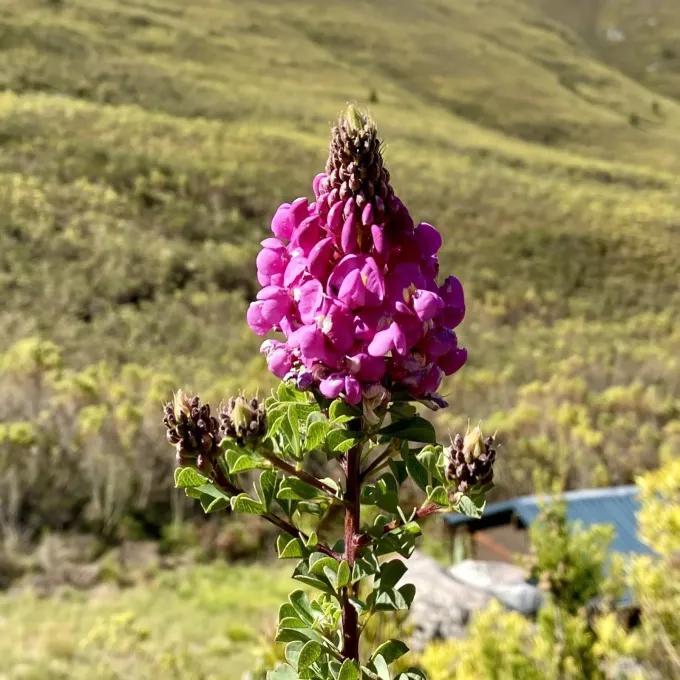
Description
Growing requirements
Hypocalyptus sophoroides is a shrub species belonging to the Fabaceae family. Native to the Cape region of South Africa, this plant is well-adapted to the fynbos biome, characterized by high levels of biodiversity and specific environmental constraints that define its natural growth patterns.
The plant thrives in a Mediterranean-type climate with cool, wet winters and dry, warm summers. It has limited tolerance for freezing temperatures, necessitating protected cultivation in regions that experience severe frost, ensuring the plant maintains its structural integrity and health.
Optimal soil conditions are essential for successful cultivation. The species requires well-drained, acidic to neutral, sandy soils. Heavy or clay-rich soils should be avoided or modified with inorganic matter to facilitate drainage and ensure that the root system remains well-aerated throughout the year.
Agronomic management involves careful water control. Due to its adaptation to natural rainfall patterns, the plant requires consistent moisture during active growth but must be protected from waterlogging, which often leads to root respiration issues and subsequent plant decline or death.
In terms of хозяйственное (utility) value, Hypocalyptus sophoroides is primarily utilized in ornamental horticulture and biodiversity conservation. Its role in landscaping is valued for its unique foliage and structural appearance, making it a desirable subject for specialized garden collections.
Main diseases and pests
The primary agricultural threat involves soil-borne pathogens, specifically fungi that thrive in waterlogged conditions. Phytophthora and Pythium species are known to cause severe root rot, making drainage maintenance the most critical preventative measure for any producer.
Insects such as aphids and scale insects are common pests that affect the canopy of the plant. Monitoring and early detection are key strategies, as these pests can weaken the shrub's development and reduce its aesthetic value significantly over a short period of time.