
Gleditsia heterophylla
Gleditsia heterophylla
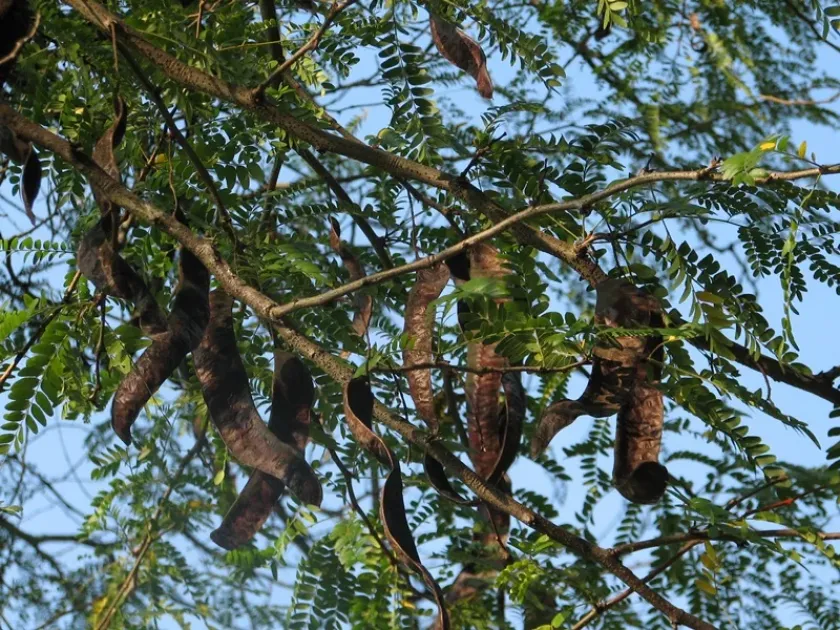
Description
Growing requirements
Gleditsia heterophylla, a member of the Fabaceae family, is a deciduous tree native to East Asia. It is highly valued for its environmental adaptability, often used in reforestation, ornamental landscaping, and soil conservation projects.
The tree thrives in full sun conditions, which are essential for vigorous growth and canopy development. While it can tolerate partial shade when young, mature specimens require maximum exposure to sunlight to maintain their structural integrity.
Regarding soil requirements, this species is notably versatile. It prefers deep, well-drained loamy soils but shows remarkable tolerance to poor, compacted, or saline conditions where many other woody species would struggle to survive.
Its deep taproot system provides excellent drought resistance, making it an ideal choice for arid regions or slopes prone to erosion. The tree acts as a biological anchor, preventing soil degradation in harsh environments.
A key agronomic benefit is the tree's symbiotic relationship with nitrogen-fixing bacteria. By enriching the soil with nitrogen, Gleditsia heterophylla contributes to the overall fertility of the surrounding landscape and supports the health of neighboring vegetation.
Main diseases and pests
Gleditsia heterophylla is generally robust and resistant to most common tree diseases. However, improper maintenance or physical injury to the bark can create entry points for fungal pathogens, potentially leading to wood decay.
Insect pests such as scale insects and aphids may occasionally affect young trees. In intensive plantations, regular monitoring is advised to detect infestation early and apply appropriate integrated pest management strategies if necessary.
Environmental factors, such as excessive moisture in poorly drained areas, can increase susceptibility to root rot. Ensuring proper site selection with adequate drainage is a critical preventive measure against this threat.
Rodents and rabbits can cause significant damage to the bark of young seedlings during winter. Providing physical protection, such as wire guards or plastic tree shelters, is recommended for young saplings during their initial establishment phase.
Good silvicultural practices, including periodic sanitary pruning, help remove deadwood and improve airflow within the crown. This reduces the micro-environmental humidity that favors the development of mold and various leaf pathogens.