
Genista tricuspidata
Genista tricuspidata
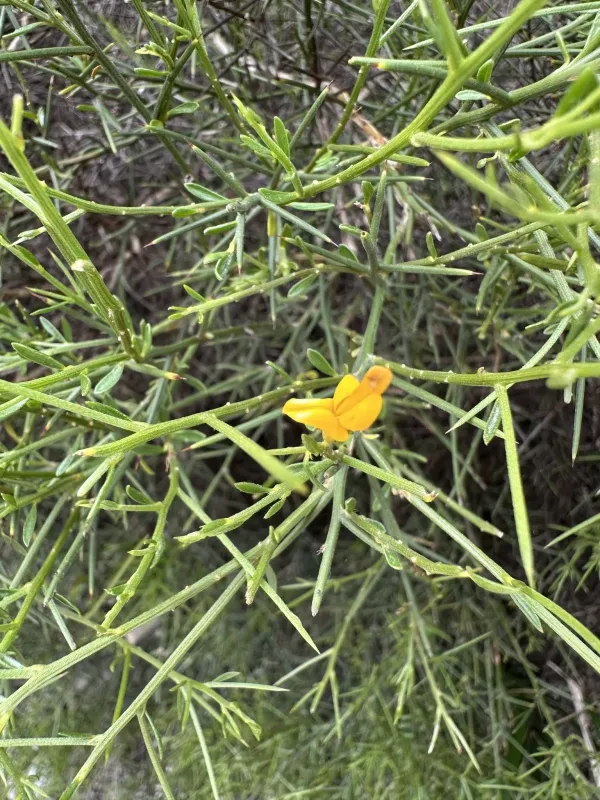
Description
Sowing dates
Genista tricuspidata is a perennial leguminous shrub known for its ability to thrive in challenging environments. Propagation is primarily carried out through seeds sown in early spring when the danger of frost has passed.
Seeds should be sown at a depth of approximately 2 cm in well-drained soil. Pre-treatment of seeds, such as scarification, can significantly enhance germination rates due to the hard seed coat.
Initial growth is relatively slow as the plant invests energy into developing a robust root system. Providing adequate spacing is essential to ensure healthy development and good air circulation around the plants.
Once established, the plants are long-lived and require minimal annual maintenance. Careful selection of the planting site is crucial, as the shrubs do not tolerate frequent transplanting.
In field production, modern sowing techniques are used to optimize density. This helps in minimizing inter-plant competition while maximizing the biomass yield per hectare.
Growing requirements
This species is highly adapted to sunny conditions. Full sunlight exposure is required for optimal photosynthesis and the production of healthy, flowering branches throughout the season.
Genista tricuspidata is well-suited for poor, stony, or sandy soils. Its adaptability makes it an excellent choice for stabilizing soil on slopes and restoring degraded agricultural landscapes.
The plant demonstrates significant drought tolerance once established. It efficiently utilizes limited water resources, making it a sustainable choice for regions with erratic rainfall patterns.
Soil pH should preferably be neutral to slightly acidic. Heavy clay soils that retain excessive water must be avoided, as they restrict root respiration and increase the risk of disease.
Nutritional needs are modest due to the plant's nitrogen-fixing capabilities. Occasional application of phosphorus and potassium-based fertilizers can support vigorous vegetative growth.
Main diseases and pests
Fungal pathogens such as powdery mildew represent the main biological threat, especially in humid conditions. Ensuring good ventilation between rows helps mitigate this risk significantly.
Root rot is the most serious threat associated with poorly drained soils. Farmers must prioritize land leveling and drainage systems to protect the root systems of the shrubs.
Pests like aphids and mites may occasionally infest tender shoots during the peak growing season. Integrated pest management strategies are recommended to maintain plant health without excessive chemical use.
Competition from invasive weeds can impede growth during the first year. Manual weeding or the use of organic mulch is recommended to provide the young plants with the necessary resources.
Sanitary pruning is an essential agricultural practice to remove dead or diseased wood. This keeps the shrubs healthy and promotes new, vigorous growth for the next season.