
Eriocaulon sollyanum
Eriocaulon sollyanum
Description
Growing requirements
Eriocaulon sollyanum is a perennial herbaceous plant belonging to the Eriocaulonaceae family. In its natural habitat, it is primarily found in tropical and subtropical regions of Asia, including India and surrounding territories.
The plant is an obligate hydrophyte, preferring wet, marshy areas, pond margins, and rice paddies. It successfully adapts to waterlogged substrates with high acidity, making it a reliable bio-indicator for specific aquatic ecosystems.
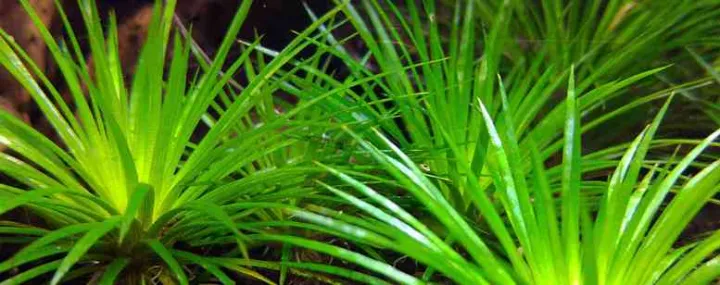
Botanically, the species is characterized by a rosette of narrow, linear leaves emerging from a short stem. The root system is relatively weak, which is typical for plants that absorb a significant portion of nutrients directly from the water column or saturated soils.
Flowering occurs through the formation of dense, head-like inflorescences on long peduncles. The tiny, inconspicuous flowers are surrounded by bracts that form a characteristic "fuzzy" structure, protecting reproductive organs from excessive moisture.
For successful cultivation, the species requires consistently high temperatures and intense, albeit diffused, lighting. Utilizing nutrient-rich substrates with low lime content is a critical requirement for healthy vegetative growth and development.
Main diseases and pests
The primary threat to Eriocaulon sollyanum populations is the disruption of hydrological cycles in their native habitats. Drainage of wetlands and water contamination by agricultural chemicals lead to the rapid degradation of existing colonies.
Specific diseases of the plant are often linked to pathogenic fungi that thrive in stagnant water and poor ventilation conditions. Crown rot is a common cause of mortality for specimens grown in closed systems or terrariums.
Pests that affect Eriocaulon species include various aquatic snails and insect larvae that may damage the soft tissues of the leaf rosettes. Additionally, epiphytic algae pose a risk, as excessive light exposure can lead to rapid algal growth that inhibits photosynthesis.
Management strategies include regular monitoring of water chemistry and preventing drastic pH fluctuations. Prevention relies on maintaining water quality and the timely removal of decomposing organic matter.
Using biological pest control methods is strongly recommended over chemical treatments, as this culture is extremely sensitive to the toxic compounds typically found in commercial fertilizers and pesticides.