
Paepalanthus fluviatilis
Paepalanthus fluviatilis
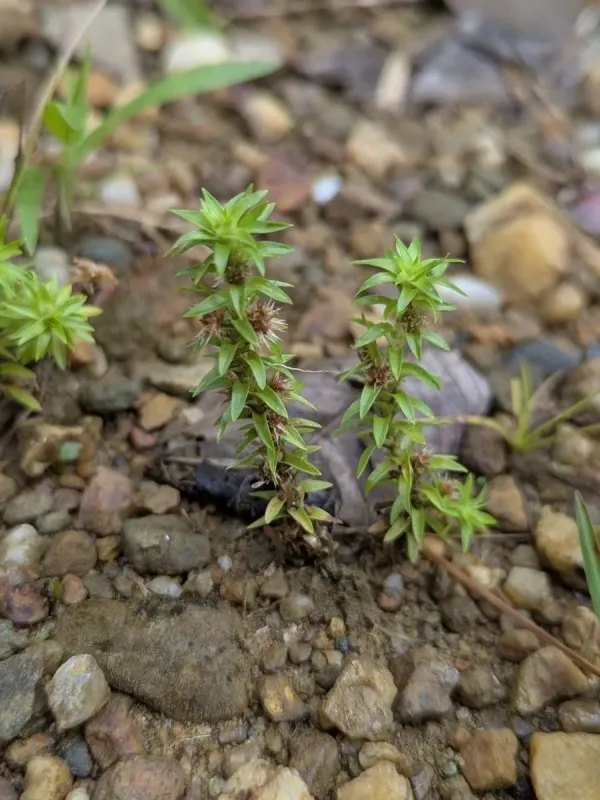
Description
Growing requirements
Paepalanthus fluviatilis is a member of the Eriocaulaceae family, known for its distinct botanical structure and specific ecological preferences in aquatic habitats.
Native to the tropical regions of South America, this plant is naturally adapted to moist, periodically flooded soils, often found near riverbanks and streams.
For successful cultivation, maintaining a substrate moisture level that mimics its natural habitat is crucial, ensuring the roots remain consistently hydrated.
Environmental conditions require stable, warm temperatures with a tropical climate profile and moderate light intensity to support the plant's vegetative cycle.
The substrate composition should favor an acidic profile with low mineral content, as the plant is highly sensitive to abrupt changes in soil chemistry and salinity.
Main diseases and pests
Environmental threats primarily involve significant shifts in hydrological patterns, such as prolonged desiccation of the growing medium which can be fatal.
Root rot and fungal diseases are persistent risks, typically caused by water stagnation and lack of proper aeration within the root zone environment.
Pest outbreaks can affect the leafy rosettes, though they are often secondary to physiological issues resulting from poor environmental management.
Invasive weed species pose a significant threat by outcompeting the crop for sunlight and nutrients in communal aquatic planting setups.
Water quality degradation, including the presence of heavy metals or excessive nitrogenous runoff, severely impacts the health and resilience of the species.