
Hillside blueberry
Vaccinium pallidum
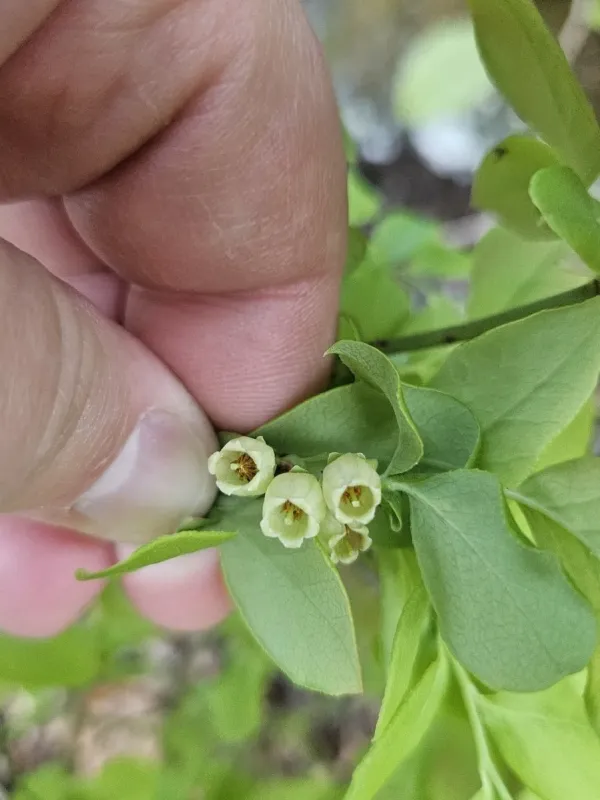
Description
Growing requirements
Hillside blueberry (Vaccinium pallidum) is a shrub belonging to the Ericaceae family, native to the eastern parts of North America. It is a perennial deciduous plant that typically grows as a small, spreading shrub in the wild.
This species naturally thrives in dry, rocky, or sandy soils, often found in open forests, clearings, and mountain slopes. It is highly valued for its ability to adapt to nutrient-poor environments where other berry crops struggle to survive.
For successful cultivation, the plant requires acidic soil conditions with a pH range of 4.5 to 5.5. Proper drainage is the most critical factor for its development, as the root system is susceptible to root rot if water stagnation occurs.
Agricultural management includes site preparation that ensures high organic matter content through mulching with peat moss, pine needles, or wood chips. Maintaining soil acidity and moisture is essential during the plant's active growth period.
The plant is primarily harvested from the wild, but its resilience makes it an interesting candidate for research in developing more sustainable blueberry varieties. The fruits are generally small, sweet, and highly prized for their natural flavor and nutritional profile.
Main diseases and pests
Common agricultural threats include fungal infections such as powdery mildew and various leaf-spot diseases, particularly in humid climates. Insect pests like blueberry maggot and leaf-feeding larvae are also known to impact crop quality and yield.