
Harrimanella hypnoides
Harrimanella hypnoides
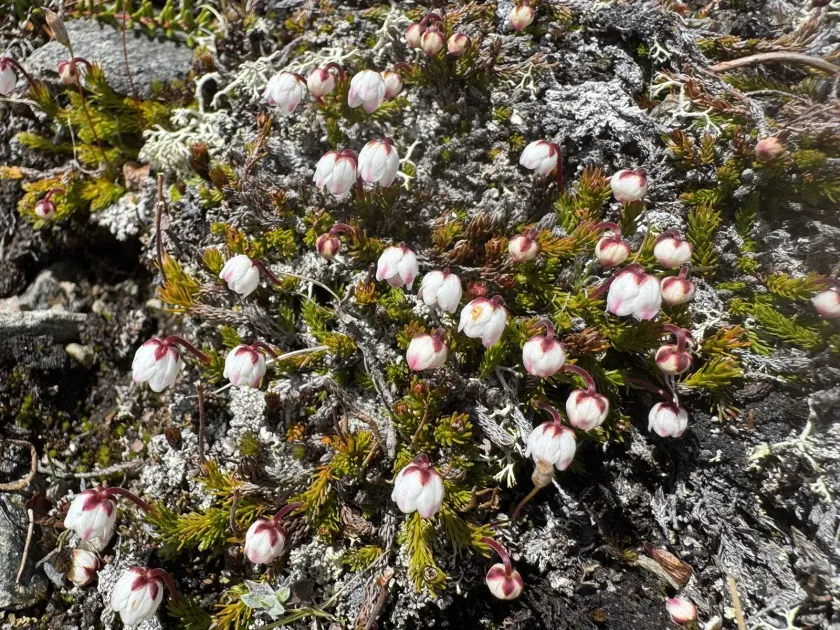
Description
Growing requirements
Harrimanella hypnoides, commonly known as moss heather, is a prostrate, mat-forming subshrub belonging to the Ericaceae family. It is renowned for its dense, moss-like appearance caused by tiny, scale-like leaves covering the stem.
The species is native to the arctic and subarctic regions of the Northern Hemisphere. It thrives in cold climates where it is typically found in snowbeds and rocky tundra, areas that remain cool and moist for most of the year.
For cultivation, this plant requires highly specific environmental conditions. It demands acidic, well-drained, yet consistently moist soils that mimic its native habitat. A mix of peat, grit, and sand is often recommended to ensure proper drainage.
Climate is the most critical factor for this species. It does not tolerate high heat or prolonged drought, which often result in rapid decline. It is best suited for alpine gardens in regions with cool summers and reliable, consistent moisture.
General horticultural practices for this species focus on maintaining a cool root run. Gardeners often use stone mulching around the base to keep the roots cool and prevent moisture loss from the soil surface while ensuring the leaves stay dry.
Main diseases and pests
The primary threats to Harrimanella hypnoides in cultivation are root rot and fungal infections. These pathogens thrive when the drainage is inadequate or when air circulation around the dense foliage is restricted.
Spider mites can be a significant pest, particularly when plants are grown in environments that are too warm or dry. These pests thrive in heat and can quickly damage the delicate foliage if not monitored regularly.
Sensitivity to mineral salts and high pH is another physiological challenge. The plant requires soft water; exposure to hard water can alter soil acidity levels, causing chlorosis and weakening the plant's natural defenses.
Lack of cold stratification can impact the plant's health in temperate zones. As an arctic species, it requires a period of dormancy in cold, stable temperatures to prepare for the spring growth flush.
Competition from more vigorous vegetation is a constant threat. Because this species has a slow growth rate, it cannot compete for space or nutrients, necessitating a weed-free environment and careful selection of neighboring plants.