
Histiopteris incisa
Histiopteris incisa
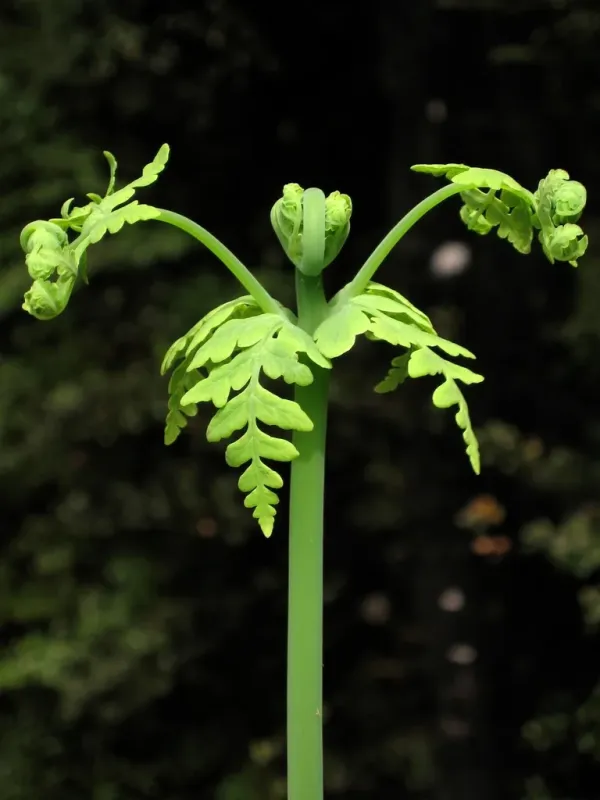
Description
Growing requirements
Histiopteris incisa, commonly known as the bat wing fern, is a perennial herbaceous plant belonging to the family Dennstaedtiaceae. Native to tropical and subtropical regions across the globe, it is found in diverse habitats ranging from forest edges to disturbed damp areas.
The plant requires high humidity and well-drained, nutrient-rich soil to thrive. In agricultural or horticultural settings, it is best grown in a substrate with high organic matter content, similar to the leaf litter found in its natural environment, ensuring excellent aeration for the roots.
Regarding light, this species prefers dappled shade. Direct sunlight is generally harmful as it causes the fronds to scorch and dry out. However, insufficient light will lead to thin, elongated growth, reducing the plant's structural integrity and aesthetic value.
The thermal requirements are relatively stable, with an ideal temperature range of 18°C to 25°C. It is highly sensitive to frost and cold drafts, meaning that in temperate climates, cultivation must be restricted to greenhouses or indoor environments where temperature control is possible.
Botanically, Histiopteris incisa is characterized by its wide-spreading rhizomes and large, branching, bipinnate fronds. These fronds can reach significant dimensions, making it a robust grower that requires adequate space to spread when planted in a greenhouse or garden bed.
Main diseases and pests
The most common disease affecting this fern is root rot, typically caused by waterlogged soil conditions. Ensuring a strict irrigation schedule that allows the top layer of the substrate to dry slightly between waterings is essential to prevent pathogen colonization.
Pests like spider mites and mealybugs are frequent threats to the plant's health. These insects target the underside of the fronds, where they suck sap and cause yellowing or deformation of the leaves, eventually stunting the plant's overall growth.
Fungal infections can also occur due to poor air circulation within the canopy. To combat this, growers should ensure proper spacing between individual plants and maintain moderate humidity levels, as excessive moisture in the air combined with static air can trigger mold outbreaks.
Nutritional deficiencies, specifically lack of nitrogen, can result in stunted growth and pale coloration of the fronds. A balanced, slow-release fertilizer tailored for ferns is recommended to ensure consistent nutrient availability throughout the active growing season.
Finally, maintaining hygiene in the cultivation area is crucial. Removing necrotic or yellowing fronds regularly helps prevent the establishment of pests and diseases, keeping the plant healthy and vigorous for an extended period.