
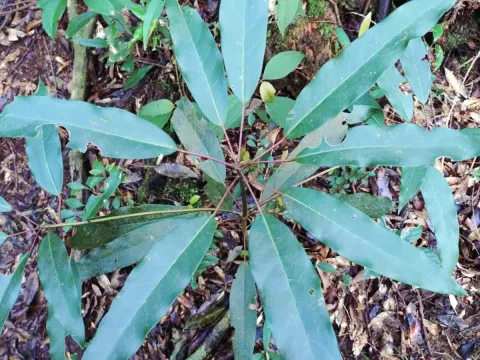
Daphniphyllum
Daphniphyllum
Daphniphyllum belongs to the monotypic family Daphniphyllaceae and is an evergreen tree or large shrub. Its natural habitat is spread across the regions of East and Southeast Asia, including China, Japan, and the Korean Peninsula.
What the section contains


Daphniphyllum
The plant prefers moist, well-drained, slightly acidic soils rich in organic matter. An important condition for successful growth is protection from direct sunlight during the hottest time of the day and ensuring a consistent level of moisture in the substrate.
The culture is relatively heat-loving; therefore, in temperate climates, it requires protection during winter or should be grown in conservatories. The optimal temperature range for active growth is between 18 and 25 degrees Celsius.
Botanically, Daphniphyllum is characterized by its leathery, lanceolate leaves that resemble bay leaves. The flowers are small, dioecious, arranged in racemes, and the fruits are small drupes, often covered with a glaucous bloom.
In terms of economic use, the plant is valued exclusively as an ornamental culture. It is used for landscaping parks, creating dense hedges, and as a specimen plant due to its thick, glossy foliage that maintains its decorative appearance throughout the year.
Common issues during cultivation include fungal diseases caused by water stagnation in the root zone, which leads to root rot. To prevent this, it is necessary to strictly follow the watering regime and ensure efficient soil drainage.
Regarding pests, scale insects or spider mites may occasionally appear on the leaves, especially in conditions of low air humidity in indoor spaces. Regular inspection of the underside of the leaves and treatment with insecticides allow for effective control of insect populations.