
Daphniphyllum neilgherrense
Daphniphyllum neilgherrense
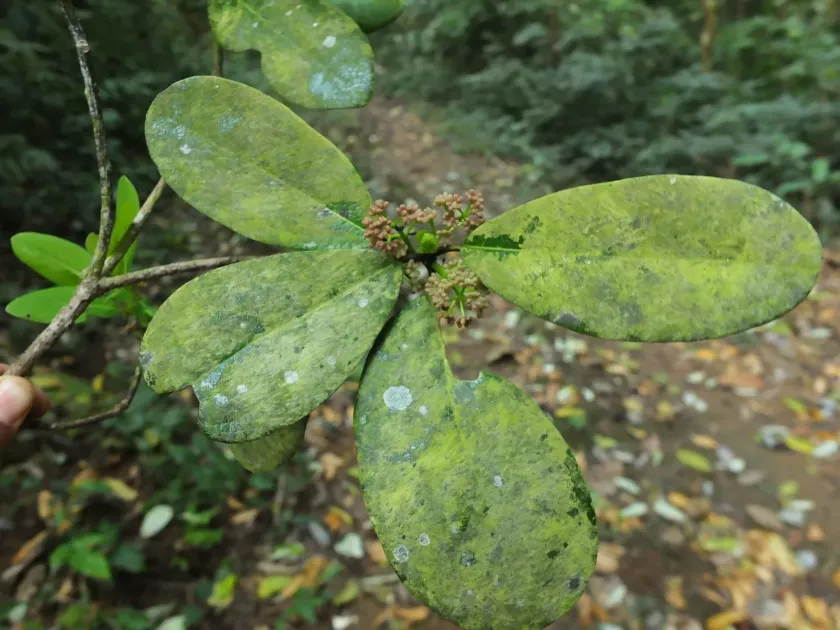
Description
Growing requirements
Daphniphyllum neilgherrense is an evergreen species belonging to the Daphniphyllaceae family, naturally distributed in the montane forests of the Nilgiri Hills and surrounding regions.
This species is highly valued for its dense, glossy foliage and architectural form, making it a distinct choice for botanical gardens and specialized landscaping projects.
It thrives best in environments that mimic its natural habitat, requiring consistent moisture and protection from harsh, dry winds that can cause leaf desiccation.
The soil should be well-aerated, fertile, and slightly acidic; heavy clay soils should be amended with organic compost to improve drainage and nutrient availability.
Regarding light exposure, the plant prefers dappled shade or partial canopy cover, as intense direct sunlight can scorch the foliage, especially in warmer climate zones.
Main diseases and pests
The primary threats to this culture are associated with improper hydrological management, as waterlogged conditions frequently lead to severe root rot and fungal infections.
Common pests such as scale insects and spider mites may infest the plant during periods of prolonged drought or when the plant is stressed by inadequate environmental conditions.
Nutrient deficiencies, particularly iron or magnesium, can manifest as interveinal chlorosis, which negatively impacts the aesthetic and physiological performance of the plant.
Maintaining a clean cultivation area and removing fallen leaves can prevent the accumulation of pathogens that could lead to foliar spot diseases during humid seasons.
Strategic pruning is encouraged not only for shaping but also to improve airflow within the canopy, which significantly reduces the probability of bacterial and fungal colonization.